Where to Buy Berberine: Amazon vs Costco vs Direct
Quick Answer: Should You Buy Berberine at Costco, on Amazon, or Direct?
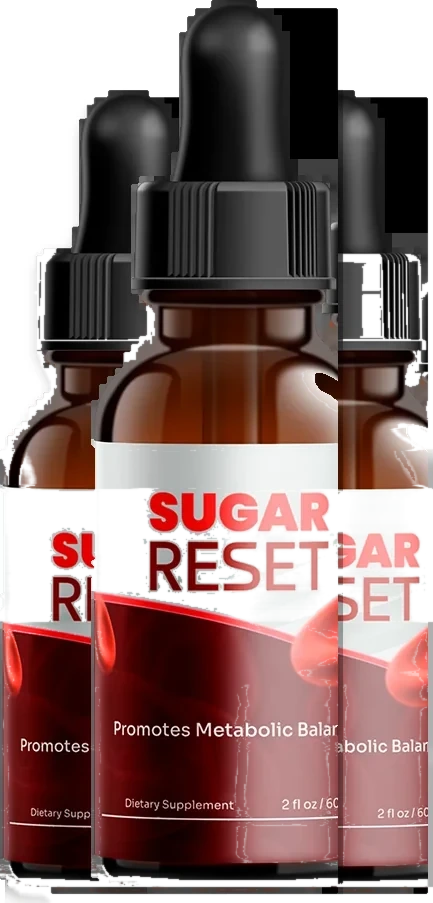
Buy berberine from whichever seller can prove dose, purity, and third-party testing. Costco and Amazon compete on sticker price, but listings vary in potency and freshness. Price per clinical dose usually matters more than the number on the label. SugarReset, the formula this site covers, contains no berberine at all.
- Costco: tidy pricing, thin selection, no brand-level guarantee on your specific bottle.
- Amazon: huge choice, but commingled stock and counterfeits are a real risk.
- Direct: one brand only, with the full guarantee and the brand’s own refund records.
If you have typed berberine Costco into a search bar, or held an Amazon listing up against a warehouse two-pack, you already know the hard part is not finding berberine — it is knowing which berberine you are actually buying. The same yellow plant compound appears under dozens of labels at wildly different prices, doses and quality-control standards. Where to buy berberine turns out to matter almost as much as whether to take it at all, because the retailer quietly sets the supply chain, the testing, the freshness and the refund terms you fall back on if the product does not suit you.
This guide compares the three routes shoppers actually use — the warehouse club, the marketplace, and buying direct from the brand — on the terms that change the outcome rather than the ones on the price sticker. None of this is a claim that berberine treats or cures anything; it is a buyer's map for getting a clean, correctly dosed, honestly labelled product for your money.
Why the retailer matters more than the price tag
Berberine is a bulk botanical extract, and the quality gap between two bottles that look identical can be enormous. One might be standardized to a stated milligram content of berberine hydrochloride, made in a GMP-certified facility, and backed by a batch Certificate of Analysis. The other might be a proprietary blend that never states how much berberine is in each capsule, blended down with cheaper fillers, and sold by a storefront you cannot email. Both can sit on the same search results page for a few dollars apart.
The retailer decides which of those you are more likely to end up with, because the retailer controls three things buyers rarely think about: how the stock is sourced and stored, whether the seller is the brand or an anonymous reseller, and what happens when you want your money back. Sticker price is visible; those three are not, which is exactly why they are where people get burned.
Buying berberine Costco-style: the warehouse trade-off
Warehouse clubs earn their reputation honestly. Costco's Kirkland Signature line and the national brands it stocks are generally manufactured to a serious standard, the company is known for pulling products that fail testing, and the per-unit price on a large bottle is often excellent. If a berberine product makes it onto a warehouse shelf, it has usually cleared a higher bar than a random marketplace listing.
The trade-offs are structural rather than about honesty. Selection is deliberately narrow — a warehouse carries one or two options, not thirty, so you may not find a formula standardized the way the research suggests, or paired with the cofactors that a dedicated blood-sugar formula includes. The dose per capsule may be built for a general audience rather than the amounts used in trials, so you can find yourself taking three or four capsules to reach a meaningful serving. And crucially, the guarantee you rely on is the retailer's satisfaction policy, not the manufacturer's own money-back terms on that specific bottle. For a commodity extract that is fine; for a formula you are trying to evaluate over weeks, it is a thinner safety net than it looks.
Berberine on Amazon: selection, but a murkier supply chain
Amazon is the opposite bargain. The selection is effectively unlimited, reviews are abundant, and delivery is frictionless. For many shoppers that is enough. But the marketplace carries a specific, well-documented risk that a warehouse does not: commingled inventory. When multiple sellers list the same product, Amazon can pool their stock in one bin, which means the bottle you receive may not have come from the seller you chose. In the supplements category this has repeatedly allowed counterfeit, expired or mislabelled product to reach buyers who did everything right.
Reviews compound the problem rather than solving it. Star ratings are frequently aggregated across variations and are a known target for manipulation, so a glowing average tells you little about the purity or dose of the exact lot in your hands. The practical defence is to buy only from a listing that is clearly sold and shipped by the brand itself, to check for a real Certificate of Analysis, and to treat an unusually cheap third-party offer as a red flag rather than a find. Independent testing groups such as ConsumerLab and USP exist precisely because label claims in this category cannot be taken on trust. If you want the deeper background on what berberine is standardized against and why the milligram figure matters, our evidence review of berberine and cinnamon for blood sugar walks through it.
Want the potency verified and the guarantee intact?
If you would rather skip the marketplace lottery, the simplest way to confirm standardized potency, current stock and full refund terms is to buy from the source. The live SugarReset bundle pricing and the money-back window are both on the official store page.
Check the Official StoreBuying direct from the brand: what you actually gain
Buying direct is the least glamorous option and, for a formula you intend to take daily, usually the soundest. You are transacting with the manufacturer's own channel, which is where the four things that matter are easiest to confirm at once: the product is the current formulation rather than aging shelf stock; storage and handling have not passed through an unknown reseller; the brand's own Certificate of Analysis applies to what you receive; and the full money-back guarantee is intact, because you bought from the party that issued it.
There is a pricing angle too, and it runs against the intuition that the middleman is always cheaper. Brands routinely put their best per-bottle pricing on multi-bottle bundles and subscriptions on their own site, because they save the marketplace's referral fee and value the direct relationship. So the three- or six-bottle bundle bought direct frequently beats the single warehouse unit on true cost per day, while also carrying the guarantee that the warehouse bottle does not. The honest limitation is real: buying direct means committing to one brand instead of browsing a shelf, so it rewards you only after you have decided which formula you actually want. If you are still at the comparison stage, our roundup of the best berberine supplements for blood sugar in 2026 is the place to narrow it down first.
How to compare berberine prices fairly (price per clinical dose)
Here is the single habit that separates a good berberine purchase from a regretted one: compare price per clinical dose, never price per bottle and never price per capsule. A bottle is just a container, and a capsule count is meaningless until you know how much standardized berberine is inside each one.
The arithmetic is quick. Find the standardized milligrams of berberine per capsule, multiply by the number of capsules you would actually take to reach the serving used in research, and that is your daily dose. Divide the bottle price by how many days it lasts at that daily dose, and you have a figure you can compare across every seller on an equal footing. Do this once and the illusion collapses in a hurry: a "cheap" bottle at a low per-capsule dose often costs more per effective day than a pricier bottle that is dosed properly, because you burn through it twice as fast. Then fold in the parts the label hides — shipping, whether a guarantee is included, and whether a bundle or subscription lowers the real daily cost.
| Buying route | Selection | Supply-chain risk | Guarantee on your bottle | Best true price |
|---|---|---|---|---|
| Costco / warehouse | Narrow (1–2 options) | Low — vetted shelf | Retailer policy, not brand | Good on the unit it stocks |
| Amazon / marketplace | Very wide | Higher — commingling, counterfeits | Varies by seller; often none from resellers | Looks cheap; verify the lot |
| Direct from brand | One brand, full range of bundles | Lowest — manufacturer channel | Full money-back guarantee | Usually best per day on bundles |
The cheapest sticker price and the lowest cost per clinical dose are rarely the same bottle. The gap between them is where marketing lives.
Four quality signals to check before you buy
Wherever you end up buying, run every candidate berberine product past the same short checklist. These are the signals a serious manufacturer has no reason to hide, and a weak one usually blurs.
1. Stated standardized potency. The label should tell you the exact milligrams of berberine (usually berberine HCl) per serving. A vague "proprietary blend" that lists berberine among a crowd of other ingredients without amounts is a reason to move on, because you cannot calculate a dose you cannot see.
2. Third-party testing you can view. Look for a current Certificate of Analysis, a batch or lot linked to independent verification, or listing with a recognised tester. Purity and heavy-metal screening matter for a plant extract, and a brand that tests has every incentive to show it.
3. GMP-certified, ideally FDA-registered manufacturing. This is a floor, not a ceiling: it does not make a product effective, but its absence tells you the maker was unwilling to meet a basic standard for facilities and labelling.
4. A visible lot number, expiry date and real refund policy. Fresh stock has a legible expiry and lot code, and a confident seller states a genuine money-back window with a name and contact behind it. If a listing hides freshness or hides the seller, treat the low price as the warning it is.
The objections people raise, answered
"Isn't it all the same berberine anyway?" The molecule is the same; the product is not. Two capsules can contain the same compound at very different purities, doses and contamination levels, and the difference only shows up in testing, not on the front of the bottle. That is the entire reason the checklist above exists.
"Direct must be more expensive than a big retailer." On a single bottle, sometimes. On the multi-bottle bundles most people actually buy, direct pricing frequently wins on cost per day because the brand keeps the referral fee it would otherwise pay a marketplace — and you keep the guarantee. Run the price-per-clinical-dose maths before assuming the retailer is cheaper.
"Reviews will tell me if it's good." Reviews tell you about delivery speed and taste far more reliably than about purity or potency, neither of which a buyer can assess by swallowing a capsule. Aggregated, variation-pooled and manipulable star ratings are a weak proxy for a Certificate of Analysis. If you take one habit from this article, make it checking the testing, not the testimonials. For how the dose itself should be set, our guide to how much berberine to take for blood sugar is the companion piece.
Medical note: this article is general purchasing information, not medical advice, and nothing here claims berberine diagnoses, treats, cures or prevents any disease. Berberine can interact with medications, including glucose-lowering drugs, and is not suitable in pregnancy or nursing. Speak to a healthcare professional before starting any supplement.
Where SugarReset fits into all of this
SugarReset is not a berberine product at all; it is a daily liquid that pairs chromium picolinate with a 200 mg blend of 22 botanicals and amino acids, sold to promote metabolic balance. That changes the buying calculus. When the value is in a specific combination, the marketplace advantages of browsing a shelf matter less, and buying from the official store, with its 60-day money-back guarantee and its own order records, matters more. You can read the full ingredient breakdown and what each component is studied for on the main SugarReset page before you decide.
Related reading
- The best berberine supplement for blood sugar in 2026
- Dihydroberberine vs berberine HCl: which absorbs better?
- Berberine dosage for blood sugar: how much to take
- Supplements to lower blood sugar that actually work
Frequently asked questions
Is berberine from Amazon or Costco reliable?
It can be, but reliability is set by the individual product rather than the storefront. Marketplace and warehouse listings vary widely in dose per capsule, purity, and whether the batch was independently tested, and Amazon in particular has had problems with commingled inventory and counterfeit supplements. A big-box logo is not a guarantee of what is in the bottle. Before trusting any listing, look for a stated standardized potency, a current third-party or Certificate of Analysis link, a lot number and expiry date, and a seller that is clearly the brand rather than an unnamed third party.
Why buy a blood sugar supplement direct from the brand?
Buying direct puts you closest to the manufacturer's own supply chain, which is where freshness, correct storage and honest labelling are easiest to confirm. You get the current formula rather than aging marketplace stock, the brand's own Certificate of Analysis, and the full money-back guarantee, which third-party resellers frequently do not honour. Direct pricing on multi-bottle bundles is also usually lower per bottle than single units bought piecemeal elsewhere, and you are not exposed to counterfeit or commingled inventory. The trade-off is that you buy from one brand rather than browsing a shelf of alternatives.
How do I compare berberine prices fairly?
Compare price per clinical dose, not price per bottle or price per capsule. Work out the standardized milligrams of berberine in each serving, multiply by the servings you would actually take per day, and divide the total price by the number of days that supply lasts. A cheap bottle with a low dose can cost more per effective day than a pricier bottle dosed to the amounts used in research. Factor in shipping, whether a guarantee is included, and whether a subscription or multi-bottle bundle lowers the true daily cost.
What quality signals should I check before buying?
Check five things on any berberine product before you buy. First, a clearly stated standardized potency in milligrams, not a vague proprietary blend. Second, third-party testing or a Certificate of Analysis you can actually view. Third, manufacturing in a GMP-certified, ideally FDA-registered facility. Fourth, a visible lot number and expiry date so you know the stock is fresh. Fifth, a real refund policy and a named, contactable seller. If a listing hides any of these, treat the low price as a warning rather than a bargain.
Scientific references
- NIH NCCIH — Using dietary supplements wisely
- NIH Office of Dietary Supplements — Fact sheets and quality guidance
- U.S. FDA — Dietary supplements and GMP requirements
- Zhao JV, et al. — Overall and sex-specific effect of berberine on glycemic and insulin-related traits: a systematic review and meta-analysis of randomised controlled trials (Journal of Nutrition, 2023)
- USP — Verified mark and third-party testing
Buy SugarReset direct and skip the marketplace lottery
SugarReset is a daily liquid of chromium and a 22-ingredient botanical blend, not berberine — bought from the official store, the 60-day money-back guarantee stays intact. Readers who want SugarReset will find the current bundle pricing and guarantee terms on the official store page.
Visit the Official Store