The Best Berberine Supplement for Blood Sugar in 2026: The Criteria That Actually Matter
Quick Answer: How Do You Pick the Best Berberine Supplement?
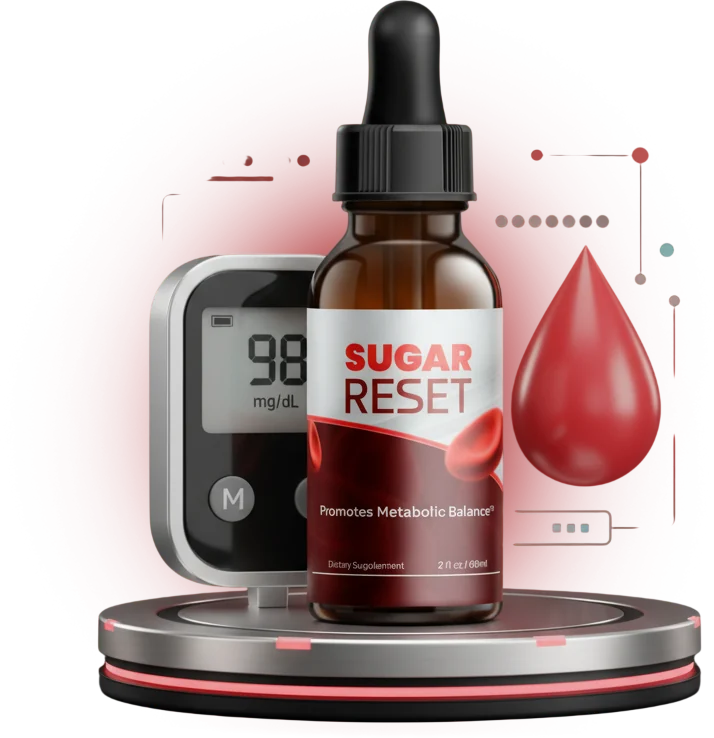
The best berberine supplement is not the flashiest label but the one that gets the fundamentals right: a clinically used dose of roughly 900 to 1,500 mg a day split across meals, a standardized 97%-plus berberine HCl extract, third-party or NSF testing, and a clean formula without needless fillers. SugarReset, the product this site covers, is not a berberine supplement, so these criteria do not apply to it.
- Clinical dose: around 900–1,500 mg berberine per day, split across meals.
- Quality markers: standardized 97%+ berberine HCl, third-party or NSF testing, minimal fillers.
- Reality check: support for healthy glucose metabolism — not a diabetes treatment or cure.
What "best" actually means for a berberine supplement
Search for the best berberine supplement and you will get a wall of near-identical bottles, each one crowned "number one" by whoever is selling it. That is noise. Berberine is a genuinely interesting compound — a bright-yellow alkaloid found in plants such as barberry and goldenseal — and the reason it dominates the blood-sugar aisle is a real body of research, not marketing alone. It appears to work partly by activating an enzyme called AMPK, a kind of master switch for how cells handle energy, which is why it has been studied so heavily for glucose and lipid support.
The evidence is substantial enough to take seriously. A 2022 meta-analysis published in Frontiers pooled 37 randomised trials covering 3,048 participants and reported a glucose-lowering effect for berberine across the studies. That is a large pool for a botanical, and it is the kind of aggregate signal that separates berberine from the many ingredients with only a handful of small trials behind them. What it does not mean is that any given bottle on a shelf will replicate those results, because a finished product is not the same thing as the standardized dose used in a trial. That gap — between the ingredient's evidence and the specific product's quality — is exactly what a buyer's checklist is for.
So "best" is not a vibe. It is a short list of things you can actually verify on a label and a certificate of analysis. Get those right and you have narrowed the field dramatically. Get them wrong and it does not matter how good the branding is.
The five things that separate the best berberine supplement from the rest
Almost every meaningful difference between berberine products collapses into five factors. None of them require you to trust a testimonial.
1. The dose is in the studied range. This is the single most common failure. Trials cluster around 900 to 1,500 mg of berberine per day. A product that quietly delivers 200 mg is technically "a berberine supplement" while being nowhere near the amounts that produced results in research. Because berberine has a short half-life, that daily total is normally split into two or three servings with meals rather than delivered in a single hit. If you want the mechanics of that split, our companion guide on how much berberine to take for blood sugar and how to split the dose walks through it in detail.
2. The extract is standardized and pure. The gold standard is berberine hydrochloride (HCl) standardized to 97% or higher. Standardization means each batch is measured to contain a consistent, known amount of the active compound rather than a variable plant powder. Without it, "berberine" on a label is closer to an aspiration than a specification.
3. It is third-party tested. Supplements are regulated more like food than like medicine, which puts the burden of proof on the manufacturer's honesty. Independent testing — a certificate of analysis, or a mark from NSF or USP — verifies the milligrams are really there and screens for heavy metals and contaminants. It is the closest thing to an objective referee the category has.
4. The formula is clean. Every gram of a capsule spent on unnecessary binders, fillers or sweeteners is a gram not spent on actives. The best formulas keep the excipient list short and functional and avoid the long tail of cosmetic additives.
5. It is made somewhere accountable. Manufacturing in a GMP-certified, FDA-registered facility does not guarantee results, but it does mean the production process is documented and inspectable — a baseline of accountability that bargain-bin products often cannot show.
The buyer's checklist, in one table
| Criterion | What to look for | Why it matters |
|---|---|---|
| Daily dose | ~900–1,500 mg berberine/day, split with meals | Matches the amounts used in human trials |
| Standardization | 97%+ berberine HCl, stated per serving | Known, consistent active content batch to batch |
| Testing | Third-party / NSF / USP, certificate of analysis | Confirms the label and screens contaminants |
| Formula | Minimal fillers; actives do the work | Fewer cosmetic additives, more of what you paid for |
| Manufacturing | GMP-certified, FDA-registered facility | Documented, accountable production |
SugarReset is a different kind of formula
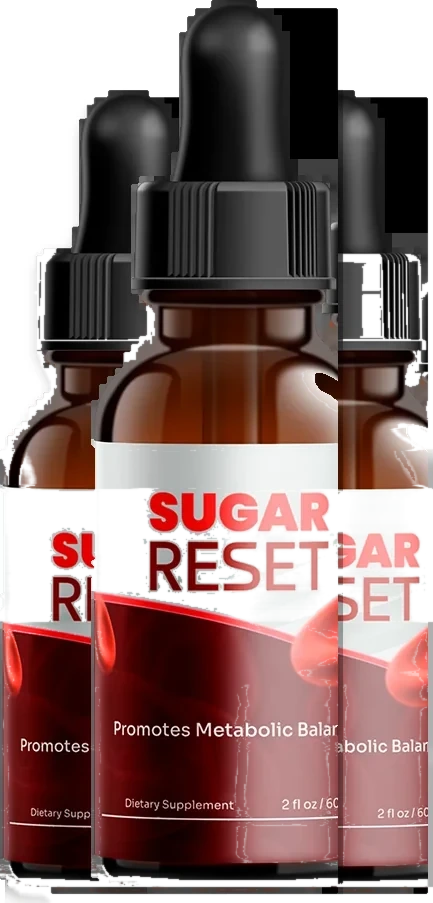
SugarReset pairs chromium picolinate with a 200 mg blend of 22 botanicals and amino acids and no berberine; its label says it is made in an FDA-registered facility, and the GMP mark is the seller’s own badge. Current pricing, the multi-bottle options and the money-back guarantee are shown on the official store page.
See the Current Offer
Single-ingredient or combination? Two fair answers
One of the most common questions from buyers is whether to choose a plain berberine capsule or a combination formula. The honest answer is that they solve different problems.
A single-ingredient berberine product is the purist's choice. You control the exact dose, you can titrate it up slowly to reduce the digestive upset berberine sometimes causes, and there is nothing else in the bottle to reason about. If you are running an experiment on yourself and want a clean variable, this is it.
A combination formula answers a different question: convenience and complementary support. Ingredients such as chromium, cinnamon and Gymnema Sylvestre have their own supporting research, and some people would rather take one product than juggle four. We looked at the evidence behind each of those companion ingredients in our review of berberine, cinnamon and the rest of the blood-sugar ingredient list. The trade-off to watch is dose dilution: a poorly designed combination sometimes shrinks the berberine amount to make room for a long ingredient list, so the label reads impressively while the active dose is token. The best combination formulas resist that temptation and keep berberine at a meaningful level.
Where you buy matters as much as what you buy
Two bottles with the same ingredient list are not always the same product. Berberine's popularity has produced a flood of marketplace listings where storage conditions, batch age and even authenticity are hard to verify, and counterfeit or re-labelled supplements are a documented problem. Buying from the manufacturer or an authorised store is the simplest way to know a return policy is real and a certificate of analysis is genuine. We compared the trade-offs of buying from big marketplaces versus going direct in our guide to where to buy berberine and why the source changes what you get. For a supplement you intend to take daily for months, that reliability is not a small detail.
How SugarReset compares with this checklist
We are an affiliate publisher, so treat this as a disclosed opinion rather than an unbiased verdict. Measured against the five criteria above, SugarReset does not qualify as a berberine supplement at all: its label lists no berberine, only 0.7 mcg of chromium and a 200 mg proprietary blend of 22 ingredients without individual amounts. The label says it is made in an FDA-registered US facility, and it is sold with a 60-day money-back guarantee. If berberine is what you want, run this checklist on a berberine product instead.
What we will not tell you is that it is guaranteed to lower anyone's blood sugar, because that is not a claim a supplement can honestly make. Berberine and its companions are studied for supporting healthy glucose metabolism as part of an ordinary routine of decent food, movement and sleep — not as a treatment for diabetes and not as a substitute for anything a doctor has prescribed. The best berberine supplement in the world is still a supplement.
Medical note: this article is general information, not medical advice. Berberine can add to the effect of glucose-lowering medication and interacts with several drugs, so speak to a healthcare professional before starting it — especially if you are pregnant, nursing, taking medication or managing a condition such as diabetes.
Frequently asked questions
What makes a berberine supplement high quality?
Quality comes down to four checkable things. First, a dose in the clinically used range of roughly 900 to 1,500 mg of berberine per day, split across meals rather than crammed into one capsule. Second, a standardized extract, ideally 97 percent or higher berberine HCl, so you know what is actually in each serving. Third, independent third-party or NSF testing to confirm the label and screen for contaminants. Fourth, a clean formula that spends its space on active ingredients rather than needless fillers. A product that gets all four right is doing the boring work that actually matters.
How many mg of berberine per serving should I look for?
Most human trials use about 900 to 1,500 mg of berberine per day, and because berberine has a short half-life it is usually split into 300 to 500 mg taken two or three times daily with meals. So rather than one giant serving, look for a product whose full daily amount lands in that range across its recommended servings. A label that hides the per-serving milligram figure inside a proprietary blend makes it impossible to judge, which is a red flag in itself.
Are single-ingredient or combination berberine formulas better?
Neither is automatically better; they answer different questions. A single-ingredient berberine capsule lets you control the exact dose and is easy to reason about. A combination formula pairs berberine with ingredients such as cinnamon, chromium or Gymnema that have their own supporting research, which some people prefer for convenience. The trade-off is that combinations sometimes shrink the berberine dose to make room. The best combination formulas keep berberine at a meaningful amount rather than using a token sprinkle for the label.
Is third-party testing worth paying more for?
For a category as loosely regulated as supplements, yes. Independent testing verifies that the milligrams on the label are actually in the bottle and screens for heavy metals, microbial contamination and adulterants. Analyses of the supplement market have repeatedly found products that under-deliver or misstate their contents, so a certificate of analysis or an NSF or USP mark is one of the few objective signals a shopper has. It is usually a small premium for a large reduction in guesswork.
Related reading
Scientific references
- NIH NCCIH — Berberine: What You Need To Know
- Xie W, et al. — Glucose-lowering effect of berberine on type 2 diabetes: a systematic review and meta-analysis (Frontiers in Pharmacology, 2022)
- NIH NCCIH — Diabetes and Dietary Supplements: What You Need To Know
- USP — Dietary Supplements Verification Program
- US FDA — Dietary Supplements overview
See how SugarReset stacks up against the checklist
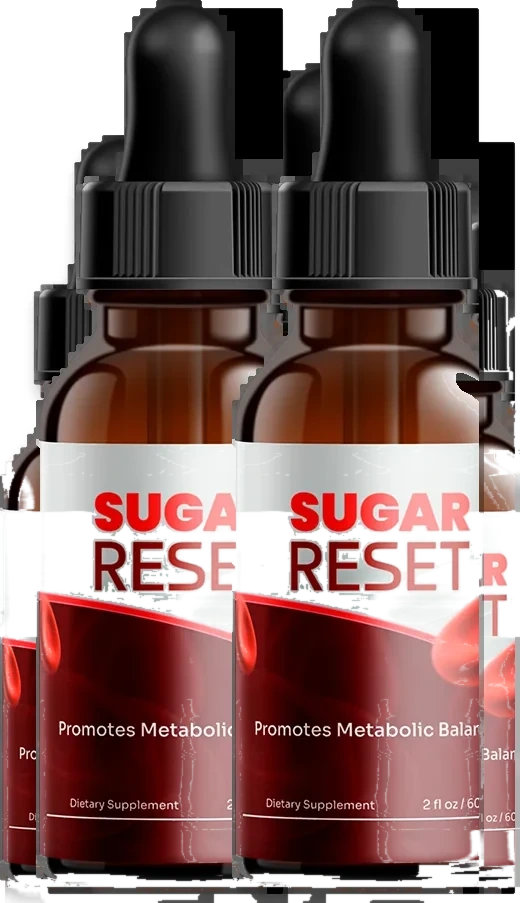
Chromium plus a 22-ingredient botanical blend in a daily liquid, with no berberine, made in the USA according to its label. Check the panel, pricing and the guarantee on the official store page.
Visit the Official Store