Berberine, Cinnamon and Blood-Sugar Supplements: What the Research Actually Shows
Quick Answer: Do Berberine and Cinnamon Help Blood Sugar?
Berberine has the strongest case. Multiple human trials and meta-analyses report that berberine can help support healthy glucose and lipid markers, with effect sizes large enough to have drawn genuine scientific interest — though most trials are small and it can add to the effect of glucose-lowering drugs. Cinnamon, Gymnema Sylvestre and chromium are more modest: cinnamon's data is mixed, Gymnema is studied mostly around cravings, and chromium helps most in people who are actually deficient. None of these is a treatment for diabetes, and none works overnight.
- Strongest finding: berberine supports healthy glucose markers in several trials.
- Dose that matters: around 900–1500 mg berberine/day in many studies.
- Key caveat: support, not a cure — and do not combine with diabetes drugs without medical advice.
Why berberine, and why it gets talked about
Berberine is a bright-yellow alkaloid found in plants such as barberry and goldenseal, used for centuries in traditional medicine. What put it on the modern map is a body of clinical research suggesting it can support healthy glucose metabolism, apparently by activating an enzyme called AMPK — a master switch in how cells handle energy. Some trials have compared it favourably to standard first-line approaches, which is exactly the kind of headline that gets a compound over-hyped.
The honest version is more measured. Many berberine trials are small, run in specific populations, and vary in quality. The effect is real in the aggregate but should not be oversold, and berberine has a genuine interaction profile: because it can add to blood-sugar-lowering effects, combining it with prescribed glucose-lowering medication without medical supervision is a real risk, not a theoretical one. The trial doses sit in a fairly narrow band, and our guide to how much berberine to take for blood sugar sets those schedules out in full, including how to build up without the cramping.
The supporting cast: cinnamon, Gymnema and chromium
Cinnamon polyphenols have been studied around post-meal glucose. The trial data is genuinely mixed — some studies show a modest drop in fasting glucose, others find nothing meaningful. Where cinnamon is used regularly, Ceylon is preferred over cassia because cassia is much higher in coumarin, which is hard on the liver at sustained high intakes.
Gymnema Sylvestre earns its Ayurvedic nickname, the "sugar destroyer", by temporarily blunting the taste of sweetness — which is why it is studied more around sugar cravings and appetite than around hard glucose endpoints. Chromium is an essential trace mineral with a real role in insulin signalling; supplementation shows the clearest benefit in people who are genuinely low in it, and more modest effects otherwise.
What the evidence supports, in one table
| Ingredient | What the research supports |
|---|---|
| Berberine | Supports healthy glucose & lipid markers in several trials and meta-analyses |
| Chromium | Role in insulin signalling; clearest benefit if deficient |
| Cinnamon | Mixed trial data on fasting glucose; modest at best |
| Gymnema Sylvestre | Studied mainly around sugar cravings and appetite |
| Banaba leaf | Small human trials of corosolic acid; limited evidence |
Where the evidence stops
Two honest limitations are worth stating plainly. First, a finished multi-ingredient supplement is not the same as any single studied dose — the ingredients can have evidence while the specific product has never been trialled. Always check a label's milligram figures against what the studies actually used, and note that where you buy changes how much that label is worth — we set out the trade-offs of buying berberine on Amazon, at Costco or direct. Applied across the wider category, that same test is what our evidence grades for supplements to lower blood sugar are built on. Second, none of this treats diabetes. If your fasting numbers are high, or you have symptoms like extreme thirst, frequent urination or blurred vision, that is a medical situation, and a supplement is not the answer — a clinician is.
Medical note: this article is general information, not medical advice. Speak to a healthcare professional before starting any supplement, especially if you are pregnant, nursing, or taking medication — berberine in particular interacts with several drugs and can add to the effect of glucose-lowering medicines.
Scientific references
- NIH NCCIH — Diabetes and Dietary Supplements: What You Need To Know
- NIH NCCIH — Berberine: What You Need To Know
- Guo J, et al. — The effect of berberine on metabolic profiles in type 2 diabetic patients: a systematic review and meta-analysis of randomised controlled trials (Oxidative Medicine and Cellular Longevity, 2021)
- Moridpour AH, et al. — Cinnamon supplementation and glycemic control in type 2 diabetes: an updated systematic review and dose-response meta-analysis of randomised controlled trials (Phytotherapy Research, 2024)
- American Diabetes Association — Food & Nutrition
Frequently asked questions
Does berberine lower blood sugar?
In human trials, berberine has been shown to help support healthy glucose and lipid markers, and several meta-analyses report effects that have drawn genuine scientific interest. Most trials are small, however, and berberine can add to the effect of glucose-lowering medication, so it should not be combined with those drugs without medical advice. It is a supplement studied for support, not a replacement for prescribed treatment.
How much berberine is used in studies?
Trials commonly use around 900 to 1500 mg of berberine per day, usually split into two or three doses because of its short half-life. Products vary widely, and a liquid formula may deliver a different amount, so the milligram figure on the label is the number worth checking against what the studies used.
Does cinnamon help blood sugar?
The data is mixed. Some trials show a modest reduction in fasting glucose and others show little effect. Ceylon cinnamon is generally preferred for regular use over cassia because of its much lower coumarin content. Treat cinnamon as a supporting ingredient rather than a primary treatment.
Can a supplement replace diabetes medication?
No. Diabetes can require prescription medication and monitoring, and a dietary supplement is not a substitute. Berberine, cinnamon and chromium are studied for supporting healthy glucose metabolism, not for treating diabetes. If you have diabetes or take glucose-lowering medication, speak to your doctor before using any blood-sugar supplement.
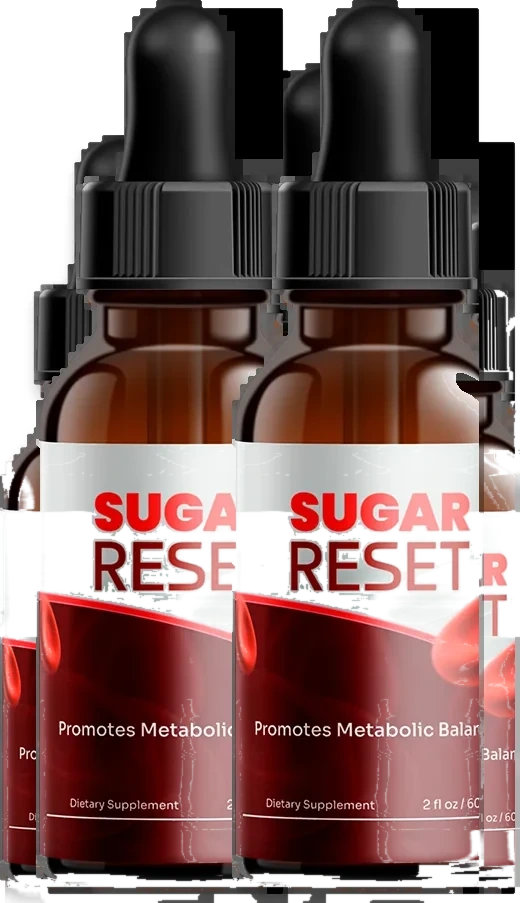
See what SugarReset actually contains
SugarReset is neither berberine nor cinnamon: it is chromium and a 200 mg blend of 22 botanicals and amino acids, in one daily liquid.
Read the SugarReset Review