Supplements to Lower Blood Sugar That Actually Work: An Evidence Grade
Quick Answer: Do Supplements to Lower Blood Sugar Actually Work?
A few do, modestly. Among supplements to lower blood sugar, berberine and chromium carry the strongest evidence, and cinnamon shows small effects on fasting glucose. None are a cure or a substitute for diet, activity and medical care. Treat them as minor support for a solid routine, not the routine itself.
- Strongest tier: berberine and chromium have the most convincing trial data.
- Modest middle: cinnamon studies used roughly 1–6 g per day.
- Foundation first: diet, movement and sleep move glucose far more than any capsule.

Search for supplements to lower blood sugar and you will be buried within seconds. Every third product promises to “support healthy glucose,” the ingredient lists run to fifteen items, and the marketing rarely distinguishes a well-studied compound from a sprinkle of something that tested the marketing team’s optimism more than anyone’s glucose. This guide does the opposite. It grades the common ingredients by the strength of their evidence, names the two or three that genuinely earn a place, and is honest about the rest. No cures are promised here, because none exist.
The frame that matters most is this: a supplement is a small lever. The foundations — what you eat, how you move, how you sleep — are the large ones. Anything below is worth considering only once those are in reasonable shape, and only as support rather than rescue.
How we graded the supplements to lower blood sugar
Our grading is deliberately conservative and rests on three questions. First, is there human trial evidence, ideally randomised and controlled, rather than test-tube or animal data dressed up as proof? Second, is the effect consistent across studies, or does it appear in one trial and vanish in the next? Third, and most overlooked, was the amount studied realistic, and does it resemble what products actually deliver per serving? A great result at six grams a day is irrelevant if a capsule contains a token hundred milligrams.
Two more principles run underneath. Correcting a genuine deficiency is a different experiment from adding more on top of sufficiency, a distinction we explore in our look at vitamin D status and the blood sugar evidence. And a finished blend is almost never tested as a whole; it is a stack of individually studied ingredients assembled by a brand, so the evidence belongs to the parts, not the product.
The strongest tier: berberine and chromium
Berberine is the standout of the category. A plant alkaloid that activates the cellular energy sensor AMPK, it has repeatedly reduced fasting glucose and HbA1c — the three-month average marker — across a number of small and medium trials, sometimes by amounts people associate with older glucose medications. The caveats are real: many studies were small or lower in quality, and berberine absorbs poorly and inconsistently, which makes results harder to standardise between products. Still, on the balance of human evidence, it is the most convincing single ingredient in the aisle. We break down its data in detail alongside cinnamon and chromium in our evidence review of the three headline ingredients.
Chromium earns its place with an important asterisk. It plays a genuine role in insulin signalling, and the clearest benefits show up in people who are actually low in chromium to begin with. In people who are already replete, the effect largely flattens. That makes chromium a real but conditional tool: valuable where there is a shortfall, unremarkable where there is not. It is honest biology, and it is a far more modest claim than most packaging makes.
The modest middle: cinnamon and a few others
Cinnamon is the most interesting of the middle tier. Several studies have reported small reductions in fasting glucose, and the trials that show effects generally used meaningful culinary-to-supplemental amounts — commonly in the range of one to six grams per day. The results are inconsistent between studies, the type of cinnamon matters, and the effect is modest rather than transformative. There is also a genuine safety note: cassia cinnamon contains coumarin, which in large daily amounts can stress the liver, so more is not automatically better. Taken sensibly, cinnamon is a reasonable minor contributor rather than a headline act.
A cluster of others sit here on thinner ground. Magnesium follows chromium’s pattern — more relevant when you are short of it. Alpha-lipoic acid, Gymnema sylvestre and banaba leaf each have some supporting studies and plausible mechanisms, but the human evidence is lighter and more variable than for berberine. They are not empty, but they are not proven pillars either.
The weak and the overhyped
Plenty of ingredients ride along on borrowed credibility. Some fibres, bitter melon, fenugreek and a rotating cast of trendy botanicals appear on labels with confident language and little consistent human data to justify top billing. That does not make them worthless in every context; it makes them poor reasons to choose a product. The tell is when a formula lists a long parade of these at pixie-dust amounts, using the sheer number of ingredients as the selling point. A crowded label is usually a marketing decision, not a scientific one.
Fibre deserves a fairer word, because it genuinely helps blunt post-meal glucose spikes — but the evidence favours food and meal timing over a scoop of isolated powder, which is exactly the trade-off we weigh in our comparison of fibre timing around meals versus fibre supplements. The point of a roundup like this is not to dismiss everything but to rank honestly, and most of the aisle simply does not clear the bar the top tier sets.
Want the better-graded ingredients in one place?
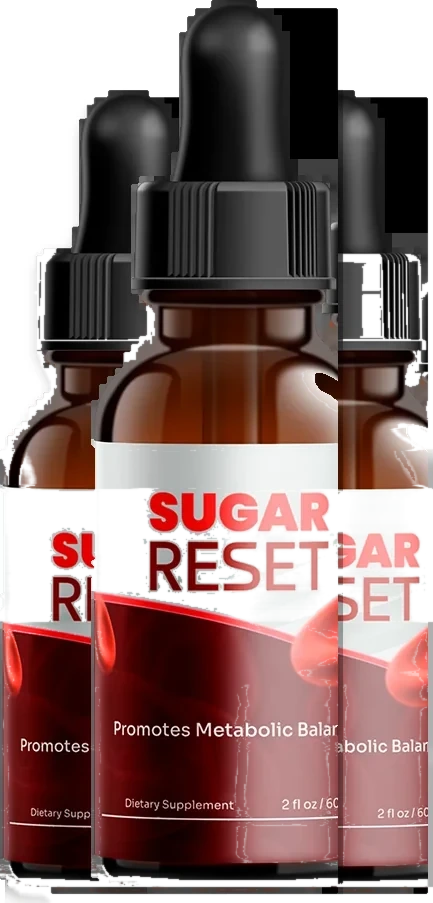
SugarReset combines chromium picolinate with a 200 mg blend of 22 botanicals and amino acids in a daily liquid; berberine, cinnamon and banaba are not among them. The official store page shows the panel, current pricing and the guarantee, though only the chromium carries its own amount.
Check the Official StoreWhy a combined formula can make sense — and its real limit
If the two strongest ingredients are berberine and chromium, and cinnamon is a reasonable supporting player, a formula that brings them together at sensible amounts has an obvious appeal: convenience and one purchase instead of three. That is a legitimate reason to prefer a blend. SugarReset is a different kind of blend: chromium at 0.7 mcg plus 22 botanicals and amino acids, with no berberine or cinnamon on its label.
But the honest limit has to sit right next to that appeal. The evidence lives with the individual ingredients, not with the finished blend, because blends are almost never trialled as complete products. So the right way to judge any combination formula is not by its story but by its label: is the berberine amount in the studied range, is the chromium meaningful, and is the cinnamon a real contribution rather than a garnish? A blend can be a smart, efficient way to take the better-graded ingredients — provided the amounts are honest. Judge the numbers, not the narrative.
The best supplement in the world is a rounding error next to a week of good meals, daily movement and proper sleep. Buy the capsule if you like; earn the result with the routine.
What supplements to lower blood sugar can’t do
This is the part the marketing skips, so we will be plain. No supplement lowers blood sugar the way the fundamentals do. Diet quality — especially the amount and type of refined carbohydrate — is the largest single lever most people have. Regular physical activity, particularly a short walk after meals, improves how muscles pull glucose out of the blood. Sleep and stress quietly govern insulin sensitivity, which is why we treat them as their own topic in our piece on sleep, insulin sensitivity and blood sugar support. Weight management ties the whole picture together.
Against those levers, a supplement is a nudge. It can support a good routine at the margins; it cannot substitute for one, and it cannot undo a diet built on ultra-processed food. Anyone selling a capsule as a way around the basics is selling a fantasy, and the fantasy is expensive. Most importantly, none of this is treatment for diabetes or any other condition. If your glucose markers are abnormal, that belongs with a clinician, a blood test and a plan — supplements are a conversation to have with that professional, not a decision to make instead of seeing them.
The evidence grade at a glance
| Ingredient | Evidence grade | Studied amount (typical) | Honest note |
|---|---|---|---|
| Berberine | Strongest | Often ~1,000–1,500 mg/day, split | Real but modest; absorbs poorly |
| Chromium | Strong (conditional) | Commonly 200–1,000 mcg/day | Best if you are actually low |
| Cinnamon | Modest | ~1–6 g/day | Inconsistent; watch coumarin |
| Magnesium | Conditional | Diet-dependent | Matters more if deficient |
| Gymnema / banaba / ALA | Emerging | Varies widely | Plausible, lighter data |
| Bitter melon, fenugreek, etc. | Weak / mixed | Varies | Not a reason to buy |
Safety first: if you take glucose-lowering medication, adding supplements such as berberine can push blood sugar too low. Several of these ingredients interact with common drugs. This article is general information, not medical advice. Talk to a doctor or pharmacist before starting or combining supplements, and do not use them in place of prescribed treatment, especially if you are pregnant, nursing or managing a condition such as diabetes.
Frequently asked questions
Which supplements have the best evidence for blood sugar?
Berberine and chromium carry the strongest evidence among common options. Berberine has repeatedly shown reductions in fasting glucose and HbA1c in smaller trials, while chromium is most convincing in people who are genuinely low in it. Cinnamon shows modest effects on fasting glucose in some studies. Most other ingredients have weaker or mixed support, so evidence quality varies widely across the category.
Do blood sugar supplements actually work?
Some can offer modest support, but none are a cure or a replacement for medical care. The better-studied ingredients like berberine and chromium have produced real if small changes in glucose markers in trials, usually alongside diet and activity rather than instead of them. Effects are gradual and vary from person to person, and a finished blend is rarely tested as a whole.
Can I combine several blood sugar ingredients safely?
Often, but not always, and not without care. Combining several glucose-lowering ingredients, or stacking them on top of prescribed diabetes medication, can push blood sugar too low or add up to more of one nutrient than intended. Berberine in particular interacts with a number of drugs. The safe route is to review any combination with a pharmacist or doctor who knows your full medication list.
Should supplements replace diet and exercise?
No. Supplements work best as a small addition to the foundations, never as a substitute for them. Diet quality, physical activity, sleep and weight management move glucose far more than any capsule, and they are the levers with the strongest evidence behind them. A supplement can support a solid routine, but it cannot rescue a poor one, and honest products say so.
Scientific references
- NIH NCCIH — Diabetes and dietary supplements: what the science says
- NIH Office of Dietary Supplements — Chromium fact sheet
- Yu T, et al. — The effect of cinnamon on glycolipid metabolism: a dose-response meta-analysis of randomised controlled trials (Nutrients, 2023)
- Guo J, et al. — The effect of berberine on metabolic profiles in type 2 diabetic patients: a systematic review and meta-analysis of randomised controlled trials (Oxidative Medicine and Cellular Longevity, 2021)
- American Diabetes Association — food and nutrition foundations
Related reading
Where SugarReset sits among these ingredients
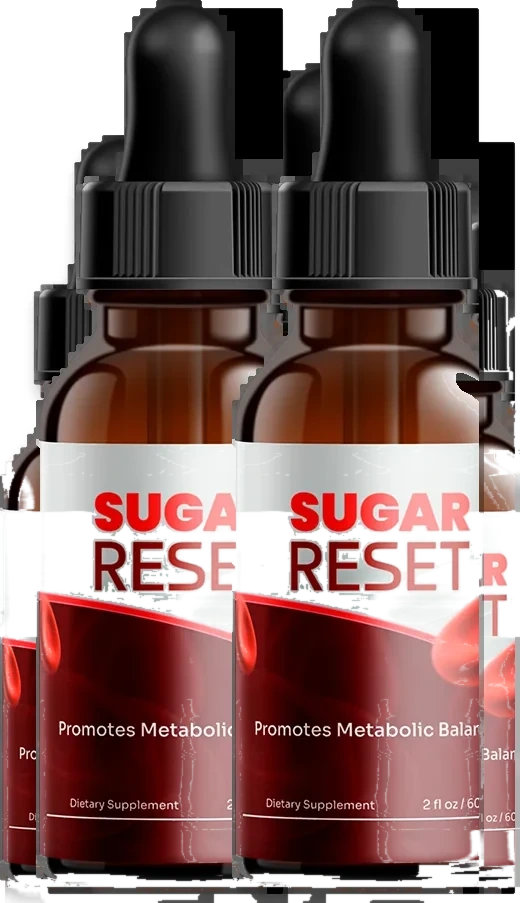
SugarReset brings chromium and a 22-ingredient botanical blend into a daily liquid; none of the berberine, cinnamon or banaba research above applies to it directly. Readers asking where to buy SugarReset will find current pricing and guarantee terms on the official store, and our deeper dive into the headline ingredients is the natural next read.
Visit the Official Store