Berberine 500mg Dosage for Blood Sugar: How Much Should You Actually Take?
Quick Answer: How Much Berberine Should You Take?
A berberine 500mg dosage is a sensible per-serving amount, not a whole-day target. Most trials use about 900 to 2,000 mg daily, split into 300 to 500 mg taken two or three times with meals. Starting low and building up reduces the stomach upset that higher single doses can cause.
- Per serving: 300–500 mg with a meal is the usual building block.
- Per day: around 900–2,000 mg total, split into two or three doses.
- Comfort: start low, take with food, build up gradually to limit GI upset.
Is a berberine 500mg dosage the right target?
The most common question in this whole category is a number: how much? And a berberine 500mg dosage is the figure most people land on first, because 500 mg capsules are everywhere and the round number feels right. It is a perfectly reasonable per-serving amount. The mistake is treating it as the whole answer. In the trials that made berberine famous for blood-sugar support, 500 mg was almost never the daily dose — it was one of two or three servings that added up to something larger.
That distinction changes everything about how you read a label. A bottle promising "500 mg berberine" is telling you what is in one capsule, not what you will take in a day. If the directions say one capsule daily, you are at the low end of the studied range. If they say one capsule with each of three meals, you are landing squarely in it. The number on the front of the bottle is only half the story; the serving instructions are the other half.
What the research actually uses
Across the human studies, the daily dose most often falls between 900 and 2,000 mg of berberine, with a great many trials sitting around the 1,000 to 1,500 mg mark. Because berberine is cleared from the body fairly quickly, those totals were rarely given in one go. The standard pattern is 300 to 500 mg taken two or three times a day, each dose paired with a meal. That is why 500 mg three times daily — a 1,500 mg total — is such a commonly cited regimen: it is easy to remember and sits comfortably inside the researched window.
It is worth being honest about the ceiling too. More is not automatically better. Above roughly 500 mg in a single sitting, the likelihood of cramping, nausea and loose stools climbs noticeably, and pushing the daily total far beyond 2,000 mg is not well supported by the evidence and tends to trade any extra benefit for a much worse time in the bathroom. The studied range exists for a reason.
Common berberine dosing schedules
| Schedule | Per dose | Daily total | Notes |
|---|---|---|---|
| Gentle start | 500 mg × 1 | 500 mg | Below the studied range; good for testing tolerance |
| Twice daily | 500 mg × 2 | 1,000 mg | Entry into the researched window |
| Three times daily | 500 mg × 3 | 1,500 mg | The most commonly cited regimen |
| Upper studied range | ~500–660 mg × 3 | up to ~2,000 mg | Only if well tolerated; not automatically better |
Why split berberine into two or three doses
The splitting is not fussiness; it follows directly from how berberine behaves in the body. Its short half-life means a single large dose produces a brief spike and then a quick fall, so you get a burst of coverage rather than something steady across your day. Dividing the daily total into two or three smaller doses keeps levels more even and lets each dose coincide with a meal — which is the moment glucose and blood fats rise, and the window berberine is thought to act on.
Splitting also solves the tolerance problem. Berberine's most common downside is gastrointestinal: cramping, nausea, constipation or diarrhoea, especially early on. A 1,500 mg dose swallowed all at once is far more likely to send you looking for a bathroom than the same 1,500 mg spread across breakfast, lunch and dinner. Spreading the load is the single easiest way to make a meaningful daily total comfortable. It is also why the reduced form gets attention: dihydroberberine is absorbed more readily than berberine HCl and is therefore dosed lower, though the clinical evidence behind it is thinner.
Prefer not to count capsules?
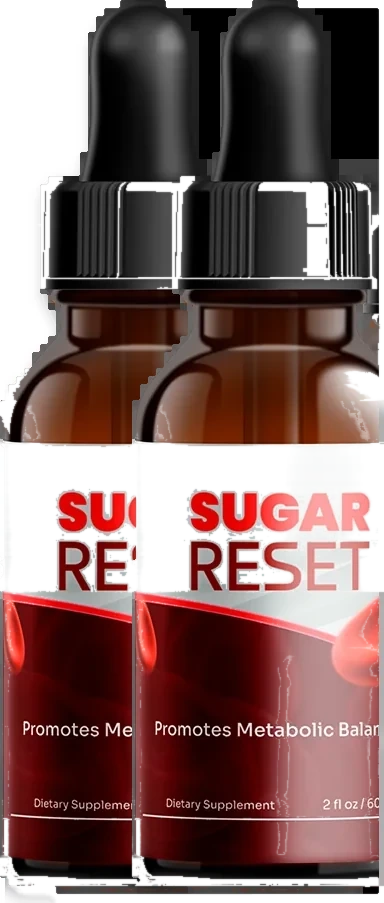
SugarReset contains no berberine, so none of the dosing above applies to it: its label lists 0.7 mcg of chromium and a 200 mg blend of 22 botanicals and amino acids, taken as 1 or 2 droppers a day. The full panel and current pricing are on the official store page.
See the Current Offer
Before or with meals? Getting the timing right
Timing is the part people most often get wrong, and it is easy to fix. Take berberine with a meal or immediately before it. There are two reasons. The first is mechanistic: eating triggers the post-meal rise in glucose and lipids, and having berberine on board at that moment lines the dose up with the very spike it is studied to help blunt. The second is comfort: food buffers the stomach and markedly reduces the cramping and loose stools that an empty-stomach dose can provoke.
Practically, this makes dosing almost self-organising. Attach each dose to a meal — one with breakfast, one with lunch, one with dinner — and you get consistent timing, meal-aligned coverage and better tolerance without having to think about it. If you eat only two real meals a day, two doses attached to those meals is a perfectly good structure. Consistency day to day matters more than hitting a precise clock time.
Starting low: how to build up without the cramps
If you have never taken berberine, do not begin at 1,500 mg. Start with a single 500 mg dose a day, with your largest meal, for several days to a week, and see how your gut responds. If that sits fine, add a second daily dose, then a third, stepping up every few days rather than all at once. This slow titration is the difference between people who quit berberine in the first week and people who settle into a comfortable routine.
Two more practical notes. Tolerance often improves after the first week or two as your system adjusts, so early digestive grumbling is not necessarily a permanent verdict. And who should be cautious matters: berberine can add to the effect of glucose-lowering medication, and it interacts with several drugs, so it is not a compound to start casually if you are on prescriptions — we cover the specifics in our rundown of berberine side effects and who should avoid it. Dose is only useful once you have established that berberine is appropriate for you at all.
Dose is also only half of the expectations question. Even at a well-chosen amount, berberine is not an overnight switch — fasting glucose tends to shift over weeks, and HbA1c over months. If you want a realistic schedule, see how long berberine takes to lower blood sugar. And if you are still choosing a product, the dose per serving is one of the main things to weigh in our guide to the best berberine supplement for blood sugar in 2026.
Two dosing myths worth dropping
The first myth is that a bigger single dose works faster. It does not; it mostly works less comfortably. Because berberine's benefit in the research came from steady daily coverage rather than one heroic hit, doubling a serving to "catch up" after a missed dose tends to buy you cramping rather than a quicker result. The dose that helps is the one you can take consistently, day after day, without dreading it — which is exactly why the split-with-meals pattern exists in the first place.
The second myth is that the milligram number on the front of the bottle is the whole specification. Two products can both say "500 mg berberine" and deliver very different things, because what matters is the standardized content of the extract and how many servings make up the daily total. A 500 mg serving of a 97% berberine HCl extract is not the same as 500 mg of a vague plant powder, and a bottle that only lasts twenty days at the labelled dose is quietly more expensive than it looks. Read the serving size, the servings per container and the standardization together — the dose only means something in that context.
There is also a sensible ceiling worth restating. Pushing well past 2,000 mg a day is not supported by the evidence as a route to better results, and it reliably worsens tolerability. With berberine the goal is to land inside the studied range and stay there consistently, not to win a milligram race. A well-chosen, well-tolerated dose you actually keep taking will beat an aggressive one you quit inside a week, every time.
Medical note: this article is general information, not medical advice, and not a personalised dose. Berberine can add to the effect of glucose-lowering medicines and interacts with several drugs. Speak to a healthcare professional before starting it, especially if you are pregnant, nursing, taking medication or managing a condition such as diabetes.
Frequently asked questions
Is 500mg of berberine enough to affect blood sugar?
A single 500 mg dose is a reasonable building block, but on its own it is at the low end of what trials used. Most studies delivered roughly 900 to 2,000 mg of berberine per day, so 500 mg once daily sits below the amounts that produced the clearest effects. In practice people take 500 mg two or three times a day to reach the studied daily total. If you only tolerate 500 mg once a day, that is still a legitimate starting point, but the milligram figure that matters most is the daily one.
Should berberine be taken before or with meals?
With meals, or immediately before, is the usual advice. Taking berberine around food lets it be present for the post-meal rise in glucose and blood fats, which is the window it is thought to act on, and food also tends to reduce the stomach cramping and loose stools that berberine can cause on an empty stomach. Pairing each dose with breakfast, lunch or dinner is the simplest way to remember it and to keep the timing consistent day to day.
Why split berberine into two or three doses?
Berberine has a short half-life, meaning the body clears it fairly quickly, so a single large dose produces a brief spike rather than steady coverage across the day. Splitting the daily total into two or three smaller doses keeps levels more consistent and lines each dose up with a meal. It also spreads out the gastrointestinal load, which makes higher daily totals far easier to tolerate than they would be taken all at once.
Can I take berberine once a day instead?
You can, and some people do for the sake of simplicity, but it is not how most of the research was designed. A daily dose means levels rise and fall with a single peak rather than being spread across your meals, and a large single dose is more likely to cause cramping or diarrhoea. If convenience is the priority, once daily with your largest meal is the most sensible version, but two or three smaller doses is closer to the studied pattern.
Related reading
Scientific references
- NIH NCCIH — Berberine: What You Need To Know
- Zhao JV, et al. — Overall and sex-specific effect of berberine on glycemic and insulin-related traits: a systematic review and meta-analysis of randomised controlled trials (Journal of Nutrition, 2023)
- Xie W, et al. — Glucose-lowering effect of berberine on type 2 diabetes: a systematic review and meta-analysis (Frontiers in Pharmacology, 2022)
- NIH NCCIH — Diabetes and Dietary Supplements: What You Need To Know
- American Diabetes Association — Food & Nutrition
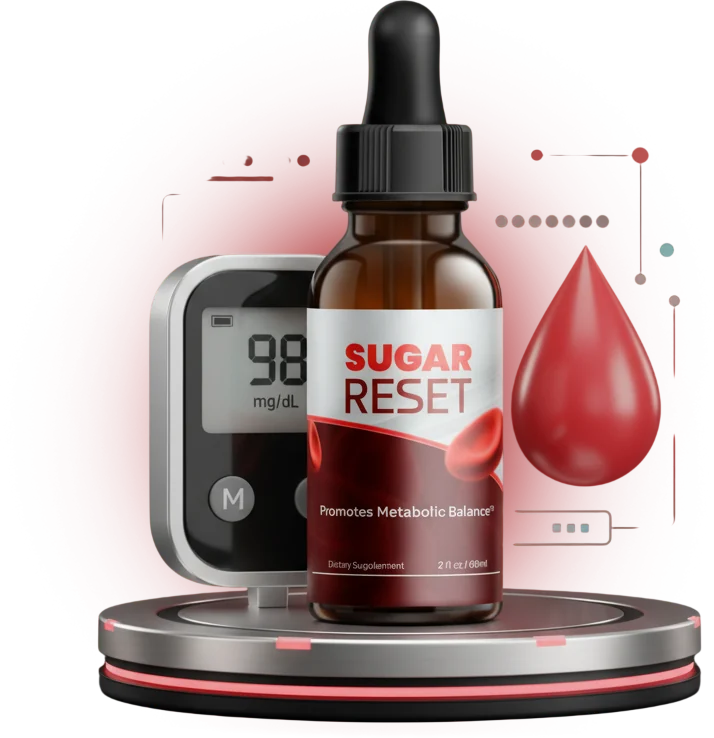
SugarReset is not a berberine product
SugarReset is a different product: a daily liquid with chromium and a 200 mg blend of 22 botanicals and amino acids, and no berberine on its label. If you are weighing it anyway, the ingredient panel and the guarantee are on the official store page.
Visit the Official Store