How Long Does Berberine Take to Work on Blood Sugar? A Realistic Timeline
Quick Answer: How Long Does Berberine Take to Work?
How long does berberine take to work depends on what you are measuring. Fasting glucose often shifts within two to four weeks, while HbA1c reflects a two-to-three-month average and so needs eight to twelve weeks to move. Consistency, diet and dose all change the timeline.
- Fasting glucose: often begins to shift within 2–4 weeks of daily use.
- HbA1c: 8–12 weeks, because it is a 2–3 month average.
- Weight-related effects: typically 8–12 weeks, and diet-dependent.

How long does berberine take to work? It depends what you measure
The honest answer to how long does berberine take to work is that there is no single number, because "working" means different things depending on which marker you are watching. This is the source of most of the disappointment people report: they expect a supplement to behave like a fast-acting drug, check a reading after three days, see nothing, and conclude it failed. Berberine does not work that way, and neither does the body's blood-sugar machinery it is acting on.
There are three separate clocks running. The fastest is your day-to-day glucose, which can begin to shift within a few weeks. The slowest is HbA1c, the three-month average clinicians use, which by definition cannot move quickly. And sitting alongside both are effects tied to gradual changes like weight, which unfold over months. Judge berberine against the wrong clock and you will either quit too early or expect too much. Judge it against the right one and the timeline becomes reasonable and, importantly, worth sticking with.
Fasting glucose: the first thing to move
If berberine is going to do anything for you, fasting glucose is usually where you notice it first. In the trials, meaningful shifts in fasting numbers commonly appeared over roughly two to four weeks of consistent daily dosing. Some people who test around meals see earlier movement in their post-meal readings, since that is the window berberine is thought to act on most directly, but fasting glucose is the steadier, less noisy signal for a beginner to track.
The practical implication is about measurement, not just patience. If you are going to test whether berberine helps you, take a baseline first — a few fasting readings before you start — so that in a month you are comparing against something real rather than a memory. A single reading is close to useless because glucose bounces around with sleep, stress and last night's dinner. A trend across two to four weeks is the thing that actually tells you something.
A realistic berberine timeline
| Marker | Typical time to see change | Why |
|---|---|---|
| Post-meal glucose | Days to ~2 weeks | Acts around the meal it is taken with |
| Fasting glucose | 2–4 weeks | Reflects steady daily coverage building up |
| HbA1c | 8–12 weeks | It is a 2–3 month average by design |
| Weight-related effects | 8–12 weeks+ | Depend on diet and activity, not berberine alone |
HbA1c: why the big number lags
HbA1c is the figure most people care about, and it is the one that frustrates them, because it is structurally slow to change. It measures how much glucose has become attached to your red blood cells, and since those cells live for around three months, the test is effectively a rolling average of the previous eight to twelve weeks. That is a feature, not a bug — it smooths out daily chaos into a stable picture — but it means HbA1c cannot reflect a change that is only a fortnight old.
This has a concrete consequence: do not retest HbA1c too soon. If you check it at four weeks, you are largely measuring the average from before you started, and a flat result will mislead you into quitting something that was actually beginning to work. Give it a full eight to twelve weeks of consistent use before you read anything into the number. Impatience with HbA1c is one of the most common reasons people abandon a supplement one test too early.
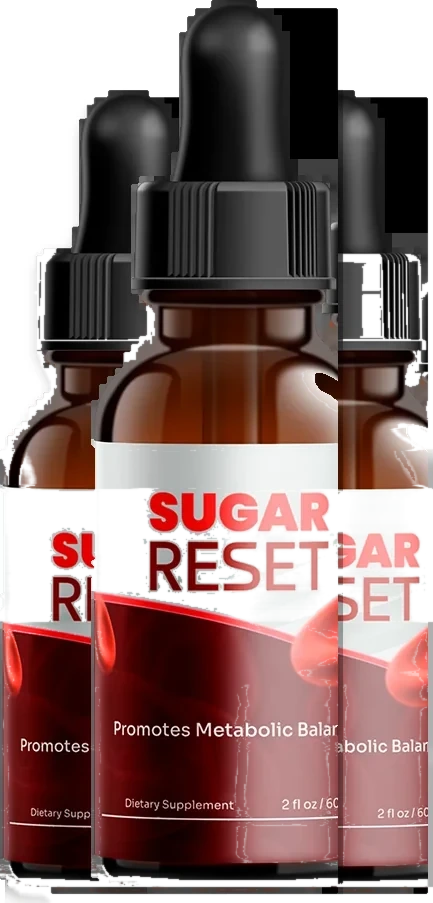
Give it a fair, uninterrupted run
Because the timeline runs in months, a multi-bottle supply is what a real test actually needs — not a single bottle abandoned at week three. SugarReset's multi-bottle options and money-back guarantee are shown on the official store page.
See the Current Offer
Weight and the slower, indirect effects
Some of berberine's reputation is tied to modest changes in weight and blood lipids, and these are the slowest of all to appear because they are the most indirect. Where they show up in studies, they generally take eight to twelve weeks or longer, and they lean heavily on what the rest of your life looks like. Berberine is not a weight-loss drug and does not override calories; at most it appears to nudge metabolism in a helpful direction while diet and activity do the heavy lifting.
The reason this matters for expectations is that these slower effects can feed back into your glucose numbers over time, which is part of why the three-month HbA1c window is the right one to judge on. Everything in this system is connected and none of it is instant.
What speeds up — or slows down — your results
Two people can take the same product and get different timelines, and the differences are mostly the ordinary inputs, not the pill. The biggest accelerator you control is dose within the studied range; too little simply does less. If you are unsure whether you are in that range, our explainer on berberine dosage for blood sugar and how much to take lays out the numbers. An under-strength dose is one of the most common reasons a genuine test looks like a failure.
The biggest brakes are the boring ones. A diet still built on refined carbohydrate gives berberine an uphill battle, because it works alongside food rather than cancelling it. Poor sleep drags in the same direction — short sleep measurably worsens insulin sensitivity, which we covered in our piece on sleep, insulin sensitivity and blood-sugar support — and very low activity does too. And of course, whether berberine is even appropriate for you comes before any of this; check berberine side effects and who should avoid it if you take medication, since it can add to the effect of glucose-lowering drugs.
Why consistency is the whole game
If there is one takeaway that changes outcomes, it is this: berberine rewards steadiness and punishes a stop-start routine. Its short half-life means each skipped dose is a real gap in coverage, and the trials that reported benefits used uninterrupted daily dosing over weeks, not an occasional capsule when someone remembered. A three-days-on, four-days-off pattern is not a smaller version of the studied protocol; it is a different, weaker thing.
This is also the practical case for planning ahead rather than buying a single bottle. A fair test of berberine is measured in months, so running out at week three — right as fasting glucose might be starting to move and long before HbA1c can — is the worst possible time to stop. If you are still deciding which product to commit that run to, the dose per serving and the third-party testing are the things to weigh, and we go through them in our guide to the best berberine supplement for blood sugar. Whatever you choose, give it an honest, uninterrupted stretch before you decide.
When to reassess — and when a number needs a doctor
Set your checkpoints before you start, not in a moment of impatience. A reasonable plan is to compare a baseline batch of fasting readings against a fresh batch at the four-week mark, and to leave HbA1c alone until at least the eight-to-twelve-week window. If the fasting trend is moving in the right direction by week four, that is your cue to keep going and let HbA1c catch up in its own time. If nothing has budged after a genuinely consistent eight-to-twelve-week run at an adequate dose, that is meaningful information too: berberine may simply not be doing much for you, and there is no virtue in extending the experiment indefinitely on hope alone.
One caveat overrides all of this timeline talk. If your readings are persistently high, or you have symptoms such as unusual thirst, frequent urination, blurred vision or unexplained weight loss, that is not a reason to wait out a supplement schedule — it is a reason to see a clinician promptly. A berberine routine is for supporting healthy glucose metabolism as part of ordinary life, not for managing numbers that belong in a doctor's office. Getting the timeline right also means knowing when the right move is to stop tracking and start a conversation with a professional.
Medical note: this article is general information, not medical advice. Berberine can add to the effect of glucose-lowering medication and interacts with several drugs, so speak to a healthcare professional before starting it — especially if you are pregnant, nursing, taking medication or managing a condition such as diabetes. Persistently high readings need a clinician, not a longer supplement run.
Frequently asked questions
How soon will I notice berberine affecting my glucose?
If berberine is going to move your fasting glucose, the change usually shows up over about two to four weeks of consistent daily use, not overnight. Some people see earlier shifts in post-meal readings if they test around meals, but fasting numbers are the more stable signal to watch. You will not feel berberine working the way you feel a painkiller, so the honest way to judge it is by tracking a number over several weeks rather than by sensation. Patience in the first month is the norm, not a sign that it is failing.
Why does HbA1c take longer to change than fasting glucose?
HbA1c is not a snapshot; it is an average of your blood sugar over roughly the previous two to three months, because it measures how much glucose has attached to red blood cells over their lifespan. That means even if your daily glucose starts improving now, the HbA1c figure only catches up gradually as older red blood cells are replaced. Retesting HbA1c sooner than about eight to twelve weeks usually just measures the old average, which is why clinicians space those tests out.
Does taking berberine daily matter for results?
Yes, consistency is probably the single biggest factor you control. Berberine has a short half-life and is cleared quickly, so skipped doses leave gaps in coverage, and the trials that reported benefits used steady daily dosing across weeks. Taking it three days on and four days off is not the pattern that produced the evidence. If you are going to test whether berberine does anything for you, give it a fair, uninterrupted run rather than a stop-start one.
What can slow down berberine results?
Several ordinary things. An under-strength dose below the studied range, inconsistent daily use, and a diet still heavy in refined carbohydrate all blunt what berberine can do, because it works alongside food and activity rather than overriding them. Poor sleep and very low physical activity push in the same direction by worsening insulin sensitivity. Berberine is best thought of as one input among several, so the other inputs largely set the ceiling on how much it appears to help.
Related reading
Scientific references
- NIH NCCIH — Berberine: What You Need To Know
- NIH NIDDK — The A1C Test and Diabetes
- Xie W, et al. — Glucose-lowering effect of berberine on type 2 diabetes: a systematic review and meta-analysis (Frontiers in Pharmacology, 2022)
- NIH NCCIH — Diabetes and Dietary Supplements: What You Need To Know
- American Diabetes Association — Food & Nutrition
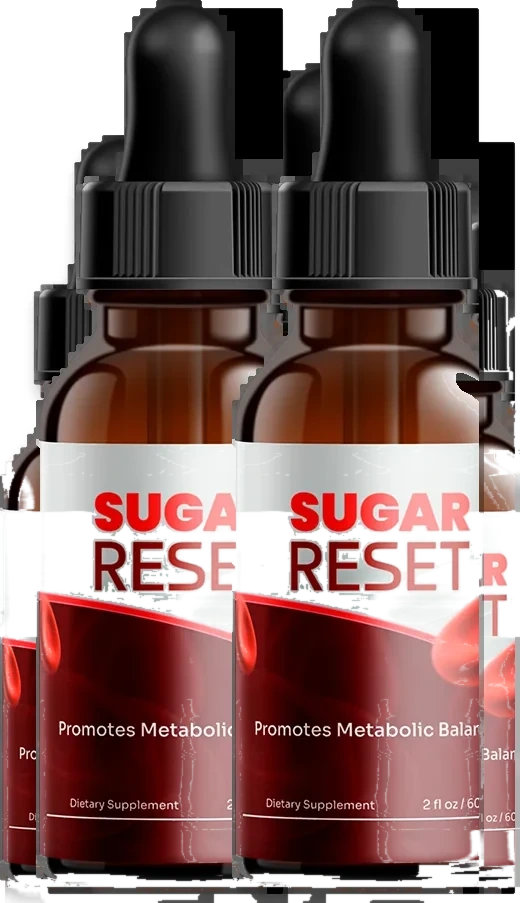
Plan for the timeline, not the first week
SugarReset is not a berberine formula: it is one daily liquid of chromium and a 200 mg botanical blend, made in the USA in an FDA-registered facility according to its label — a simple routine to keep consistent if you choose it. See the multi-month options and the guarantee on the official store page.
Visit the Official Store