Dihydro Berberine vs Berberine HCl: The Absorption Question
Quick Answer: Dihydro Berberine or Berberine HCl?
Dihydro berberine is reported roughly five times more bioavailable than berberine HCl, so it works at lower doses (often 100–200 mg) and may cause less digestive upset. But berberine HCl carries the deeper clinical evidence and a lower price. Better absorption is a real advantage, not proof of better outcomes.
- Absorption: dihydroberberine roughly 5x that of standard berberine HCl.
- Dose: lower for dihydroberberine, often around 100–200 mg.
- Evidence and cost: berberine HCl has more trials and a lower price.

If you have shopped for a berberine supplement lately, you have probably met the upsell: pay more for dihydroberberine, the “next-generation” form said to absorb far better than plain berberine. The dihydro berberine vs berberine HCl question is a real one with a real answer, but it is also wrapped in marketing that leans hard on a single number — bioavailability — while quietly skipping the parts that complicate the story. This piece lays out the trade-off honestly so you can judge a label on its merits rather than its hype.
What each form actually is
Berberine is the active alkaloid found in plants like goldenseal, barberry and Oregon grape. Berberine hydrochloride, or berberine HCl, is simply berberine paired with hydrochloric acid to make a stable, standardised salt — it is the form used in the overwhelming majority of published human research and in most affordable supplements. Dihydroberberine is a reduced derivative: berberine with two extra hydrogen atoms. In the gut wall, dihydroberberine is converted back into berberine, so the compound doing the work downstream is the same. What differs is how efficiently it gets there.
That last point is the crux of the whole debate. Berberine's Achilles heel has always been poor oral absorption — only a small fraction of a standard dose makes it into the bloodstream, with much of the rest staying in the gut. Dihydroberberine was developed to get around exactly that bottleneck.
Why dihydroberberine absorbs better
Standard berberine is a substrate for P-glycoprotein, a transporter in the intestinal lining that acts like a bouncer, pumping a chunk of the absorbed compound straight back out into the gut before it can enter circulation. Between that efflux and its generally low solubility and permeability, berberine HCl ends up with famously modest bioavailability. Dihydroberberine's chemistry sidesteps some of that resistance and is absorbed more readily, then reconverted to berberine after crossing the gut wall.
The headline figure most often cited is that dihydroberberine is roughly five times more bioavailable than an equivalent amount of berberine. That number traces back largely to early pharmacokinetic work, including animal studies, and human data is thinner than the marketing implies. So treat “5x” as a reasonable directional estimate of an absorption advantage that is genuinely real, not as a precise, settled, human-confirmed multiplier. The direction is well supported; the exact magnitude is softer than a spec sheet suggests.
Why is dihydroberberine dosed lower?
The lower dose follows directly from the better absorption, and it trips up a lot of shoppers who assume more milligrams means more product. If a smaller amount reaches the blood more efficiently, you need fewer milligrams to hit comparable blood levels. That is why dihydroberberine products are commonly dosed around 100 to 200 mg, while standard berberine HCl is typically taken at around 500 mg two or three times a day for a daily total near 1,000 to 1,500 mg.
So a 200 mg dihydroberberine capsule is not a weaker version of a 500 mg berberine capsule; on an absorption basis it may be doing similar work. Comparing the two purely by the number on the front of the bottle is the single most common mistake in this category. The milligram figure means different things for different forms, which is exactly why understanding overall berberine dosage for blood sugar and how much to take matters more than fixating on one number.
Want to see what a formula really contains?
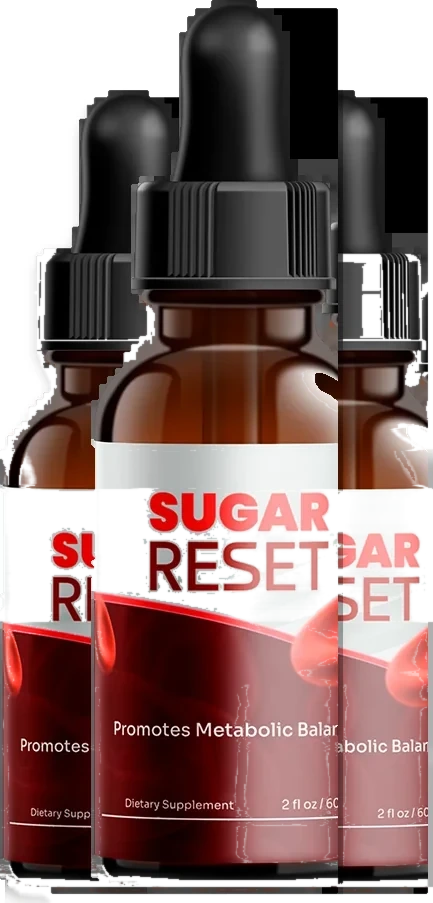
The only way to judge a berberine product on the merits is to read the form and the amount per serving. SugarReset is not one: the official SugarReset store page shows a chromium and botanical formula with no berberine, along with current pricing and the guarantee terms.
Check the Official StoreDoes dihydroberberine cause fewer side effects?
This is dihydroberberine's second selling point, and it has a plausible mechanism behind it. The gut-related side effects of standard berberine — diarrhoea, cramping, bloating — are driven partly by the large fraction of unabsorbed compound sitting in the intestine and interacting with the gut and its microbiome. If dihydroberberine is absorbed more efficiently, less unabsorbed material is left behind to irritate, and users often report a gentler experience. It is a reasonable expectation.
Reasonable is not the same as guaranteed. This is a common observation supported by mechanism rather than a large body of comparative side-effect trials, and individual tolerance varies with either form. The sensible playbook — start at a low dose, take it with food, build up gradually — still applies whichever form you choose, and it remains the best defence against the digestive complaints we cover in our guide to berberine side effects and who should avoid it. The interaction cautions, incidentally, do not disappear with dihydroberberine: it converts to berberine in the body, so the same drug-interaction considerations apply.
Which form has more clinical research behind it?
Here the pendulum swings back toward the unglamorous option. Almost all of the well-known human trials on berberine — the studies people cite for effects on fasting glucose, HbA1c and cholesterol — used standard berberine, typically the hydrochloride salt. That is where the deeper evidence base lives. Dihydroberberine has promising pharmacokinetic data and some early studies on absorption and glucose response, but far fewer and smaller outcome trials. When a marketer touts “berberine's clinical track record” on a dihydroberberine product, they are borrowing evidence generated with a different form.
This is the heart of the honest verdict. Dihydroberberine wins on the pharmacokinetic question of getting into the blood; berberine HCl wins on the clinical question of demonstrated effects in people. Those are two different kinds of evidence, and a shopper who understands the distinction is far harder to oversell.
The bioavailability trap
The most important idea in this whole comparison is also the least intuitive: bioavailability is not the same as proven benefit. It is entirely possible for a form to absorb better and still lack the outcome data that would show it works better in real life. Higher blood levels are a means, not an end; what matters clinically is what those levels do, measured in actual trials with actual endpoints. Dihydroberberine's absorption edge is a legitimate reason to be interested, but it is a promissory note, not a receipt.
There is also a subtlety that cuts against the “absorption is everything” pitch. Some of berberine's effects may be mediated in the gut itself — on the microbiome and on glucose handling at the intestinal level — rather than requiring high systemic blood levels. If part of the benefit is local, then a form optimised purely for systemic absorption is not unambiguously superior. The biology is genuinely more interesting than “more in the blood is better,” and it is a good reason to keep an open mind rather than pay a premium reflexively.
| Factor | Berberine HCl | Dihydroberberine |
|---|---|---|
| Relative absorption | Baseline (modest) | Reported ~5x higher |
| Typical dose | ~500 mg, 2–3x daily | Often ~100–200 mg |
| Clinical evidence base | Deeper; most trials | Thinner; early data |
| Reported GI tolerability | More gut upset possible | Often gentler (not guaranteed) |
| Cost | Lower | Higher, premium priced |
| Drug interactions | Yes | Yes (converts to berberine) |
So which should you choose?
There is no universally correct answer, only a trade-off to make with open eyes. If your priorities are the deepest evidence base and the lowest cost, standard berberine HCl is the defensible default — it is what the research was built on and what most people can tolerate with a sensible ramp-up. If your priorities are dosing convenience and, potentially, a gentler stomach, and you are comfortable paying a premium for a form with lighter outcome data, dihydroberberine is a reasonable choice. Neither is a mistake; they optimise for different things.
What is a mistake is choosing on the front-label milligram number alone, or assuming the pricier form must be better because it is pricier. The useful questions are: which form is it, how much per serving, is that amount appropriate for that form, and does the product tell you plainly? A formula that names its form and its amount, and does not hide behind “proprietary blend,” is one built by people who expect you to read the label — the same standard we apply across our roundup of the best berberine supplements for blood sugar.
Medical note: this article is general information, not medical advice, and neither form of berberine is a treatment for diabetes or any disease. It is not intended to diagnose, treat, cure or prevent one. Berberine of either form can interact with medications and lower blood glucose, so speak to a qualified healthcare professional before starting — especially if you are pregnant, nursing, taking medication or managing a condition such as diabetes.
Frequently asked questions
Is dihydroberberine better than berberine HCl?
Not automatically. Dihydroberberine is reported to be roughly five times more bioavailable than berberine HCl, which is a real advantage for absorption and dosing convenience. But berberine HCl has the deeper clinical evidence base and a lower cost. Better absorption is a promising feature, not proof of better real-world outcomes, so the honest answer depends on what you value: convenience or the weight of trial data.
Why is dihydroberberine dosed lower?
Because more of it reaches the bloodstream. Dihydroberberine is absorbed more efficiently and is converted back to berberine in the gut wall, so a smaller amount, often around 100 to 200 milligrams, is used to achieve blood levels that would take a larger dose of standard berberine HCl. The lower milligram figure reflects better absorption, not a weaker product.
Does dihydroberberine cause fewer side effects?
It may, for some people. Because less unabsorbed compound is left sitting in the gut, dihydroberberine is often reported to cause less of the digestive upset, such as diarrhoea and cramping, that standard berberine HCl can trigger. This is a common observation rather than a guarantee, and individual tolerance still varies. Starting low and taking it with food remains sensible with either form.
Which form has more clinical research behind it?
Berberine HCl. Almost all of the well-known human trials on blood sugar and lipids used standard berberine, usually the hydrochloride form, so that is where the deeper evidence base sits. Dihydroberberine has promising pharmacokinetic and early data on absorption, but far fewer and smaller outcome studies. When people cite berberine's clinical track record, they are largely citing berberine HCl.
Scientific references
- StatPearls / NCBI Bookshelf — Berberine pharmacology and bioavailability
- Wang D, et al. — Dihydroberberine in metabolic disorders: bioavailability, molecular mechanisms and toxicology (Food and Chemical Toxicology, 2026)
- Murakami T — Strategies to increase the oral bioavailability of berberine, part 2: oral dosage formulations (Expert Opinion on Drug Metabolism & Toxicology, 2023)
- Chang C, et al. — Differences in metabolite profiles of dihydroberberine and micellar berberine in Caco-2 cells and humans: a pilot study (International Journal of Molecular Sciences, 2024)
- NIH Office of Dietary Supplements — fact sheets for health professionals
Related reading
See what SugarReset uses instead of berberine
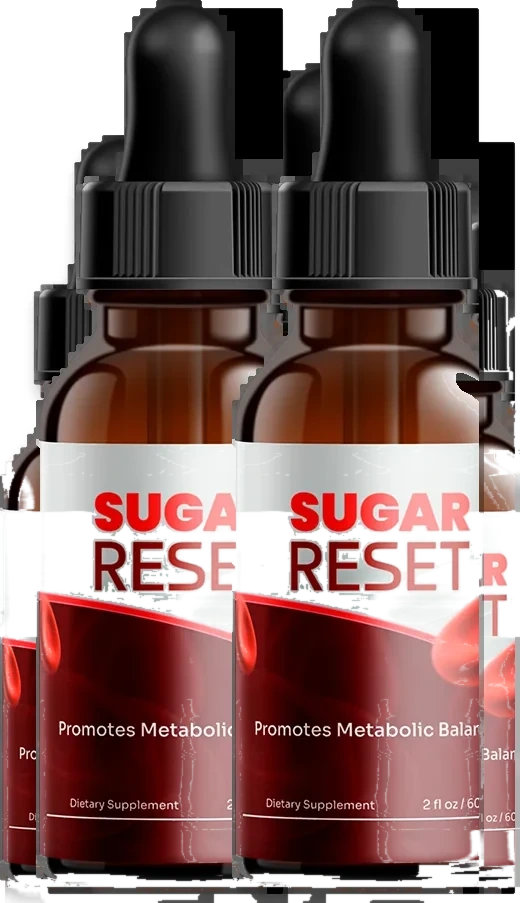
SugarReset uses neither berberine form: it is chromium and a 200 mg blend of 22 botanicals and amino acids, taken as 1 or 2 droppers a day. Readers asking where to buy SugarReset will find current pricing and guarantee terms on the official store page.
Visit the Official Store