Berberine vs Metformin: What the Research Actually Shows
Quick Answer: How Does Berberine vs Metformin Compare?
In the berberine vs metformin comparison, several small trials found berberine lowered fasting glucose and HbA1c by amounts broadly similar to metformin in specific groups. But metformin is an approved drug with decades of large, long-term evidence, while berberine is a supplement with far thinner data. The honest verdict: promising overlap, not proven equivalence, and never a self-directed swap.
- Comparable in small studies, not in the large regulator-grade trials metformin has.
- Similar AMPK-linked mechanism, but different targets, absorption and quality control.
- Never stop prescribed metformin to substitute a supplement without your doctor.

Few supplement comparisons generate as much search traffic as berberine vs metformin, and it is easy to see why. Metformin is the most widely prescribed first-line drug for type 2 diabetes, and a handful of studies have reported that a botanical you can buy without a prescription produced results in the same ballpark. That is a genuinely interesting finding. It is also one that is routinely stretched into a claim it cannot support — that berberine is “nature's metformin” and can stand in for the drug. This article stays with what the research shows, and is careful about where it stops.
What the head-to-head trials found
The comparison is not purely theoretical; researchers have run berberine against metformin directly. The most-cited work is a small study in adults with newly diagnosed type 2 diabetes, in which berberine and metformin produced similar reductions in fasting and post-meal glucose and in HbA1c over a few months. Later trials and pooled meta-analyses have reported berberine lowering fasting glucose, post-prandial glucose and HbA1c to a clinically meaningful degree, sometimes with added effects on lipids that metformin does not share.
Read the fine print, though, and the picture becomes more measured. These trials were small, often numbering dozens rather than thousands of participants; many were short, running weeks to a few months; a large share were conducted in one region and were of modest methodological quality, with limited blinding and inconsistent reporting. Meta-analyses that pool them frequently flag exactly these limitations along with high heterogeneity. So the accurate summary is that berberine performed comparably to metformin in the studies that have been done — which is not the same as being proven equal to it.
Is berberine as effective as metformin?
On the raw numbers from small trials, the two often look close. On the weight of evidence behind those numbers, they are not remotely in the same league. Metformin's benefits — and its long-term safety and outcomes, including data on cardiovascular events and mortality — rest on decades of large, well-controlled trials and real-world use in hundreds of millions of people. Berberine's evidence is a scattering of small, mostly short studies. Similar effect sizes with vastly different evidence quality is the central asymmetry of this comparison, and any honest answer has to lead with it.
There is also the question of what “effective” means. A three-month change in HbA1c is a useful marker, but it is not the same as the multi-year, hard-outcome evidence that earns a drug its place as first-line therapy. Berberine has never been held to that bar. Promising short-term marker data is worth having; it is not a substitute for the endpoints regulators require.
How do berberine and metformin differ in how they work?
Part of why the results overlap is that the mechanisms overlap. Both berberine and metformin are thought to activate AMP-activated protein kinase, or AMPK — an enzyme that acts as a kind of cellular energy sensor and nudges cells toward taking up and using glucose. That shared pathway is the biological reason a plant alkaloid can mimic aspects of a pharmaceutical.
But the overlap is partial. Metformin's dominant action is reducing the liver's output of glucose, and it does so as a single, purified molecule delivered at a precise, controlled dose. Berberine is poorly absorbed, so much of it works locally in the gut, including through effects on the gut microbiome, in addition to any systemic AMPK activity. It also influences lipid pathways more than metformin does. And because berberine is a supplement, the actual amount and purity in a given product is not guaranteed the way a prescription tablet's is. Same rough direction, different machinery and different quality control.
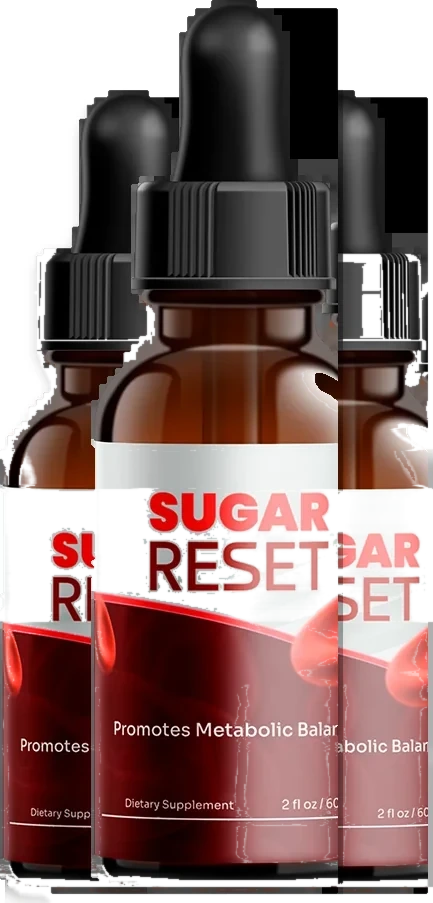
Considering berberine as a support option?
SugarReset is a supplement, not a drug replacement, and it contains no berberine: its label lists chromium and a 22-ingredient botanical blend. The official store page shows the panel, current pricing and the guarantee, so you can judge it on the label.
Check the Official StoreCan berberine replace my prescribed metformin?
This is the objection that matters most, and the answer is a flat no. Berberine is a dietary supplement, not an approved medicine, and it is not a substitute for prescribed metformin. The temptation is understandable — some people dislike metformin's own gastrointestinal side effects, or prefer the idea of a “natural” option — but swapping a regulated drug for an unregulated supplement, on your own initiative, is how a manageable condition becomes an undertreated one.
Stopping or cutting metformin without medical involvement can let blood sugar drift out of control, and the consequences of poorly controlled diabetes accrue quietly over years. If metformin's side effects are the problem, that is a conversation with your prescriber, who has other tools — dose changes, extended-release formulations, alternative drugs. It is not a cue to self-substitute. Berberine, incidentally, has its own side-effect and interaction profile that is easy to underestimate; we cover it in detail in our guide to berberine side effects and who should avoid it.

Can berberine and metformin be taken together?
Some people ask the opposite question — not whether berberine replaces metformin, but whether the two can be stacked. The answer is: only under supervision. Because both lower glucose, combining them can have an additive effect, and in principle that can push blood sugar too low. Berberine also inhibits liver enzymes (including CYP3A4) that metabolise many drugs, which adds another layer of interaction to think about. There are clinicians who do use the combination deliberately, with glucose monitoring and dose adjustments, but that is a managed medical decision, not a DIY stack.
The general principle holds across the whole category: a supplement that shares a drug's direction of effect is not automatically safe to add on top of that drug. It is safer, not riskier, to loop in the person managing your prescriptions.
| Dimension | Berberine | Metformin |
|---|---|---|
| Regulatory status | Dietary supplement | Approved prescription drug |
| Evidence base | Small, mostly short trials | Decades of large, long-term trials |
| Main mechanism | AMPK plus gut/microbiome effects | AMPK; lowers hepatic glucose output |
| Dose consistency | Varies between products | Precise, controlled per tablet |
| Long-term outcome data | Limited | Extensive, including hard endpoints |
| Typical role | Optional support supplement | First-line therapy |
The “nature's metformin” myth, unpacked
The nickname has done more to confuse shoppers than to inform them. Calling berberine “nature's metformin” borrows the credibility of a proven drug and attaches it to a supplement whose evidence is far lighter, while quietly implying the two are interchangeable. They are not. The phrase compresses a nuanced picture — similar short-term marker effects, wildly different evidence and regulation — into a slogan that points people toward exactly the risky conclusion (self-substitution) that the actual science warns against. We take that specific claim apart in our fact-check of the “berberine, nature's Ozempic” claim, which follows the same pattern.
A more useful framing is this: metformin is a treatment; berberine is, at best, a support ingredient that some people add to a broader plan of diet, movement, sleep and, where prescribed, medication. Positioned that way, the small-trial evidence is interesting and worth knowing. Positioned as a drug replacement, the same evidence is being asked to carry weight it simply cannot. The same framing explains the berberine and weight loss claims: the weight change reported in the trials is modest and downstream of glucose handling, not a separate drug-like action.
Where a supplement realistically fits
If you have prediabetes or are focused on general glucose-metabolism support, and you are not on medication, a well-formulated berberine supplement is a reasonable thing to discuss with your clinician as one part of a wider approach. If you already take metformin or another glucose-lowering drug, the role of a supplement shrinks to “possible add-on, only with supervision.” And in every scenario, the lifestyle levers do more heavy lifting than the marketing admits — which is why our coverage keeps returning to them, from meal timing to the evidence behind berberine, cinnamon and chromium.
None of this is a reason to be dismissive of berberine. It is one of the better-evidenced botanicals in the blood-sugar aisle, and the fact that it performs at all in head-to-head trials with a real drug is notable. The point is calibration: take the promising signal seriously and the “replace your medication” leap not at all.
Medical note: this article is general information, not medical advice, and berberine is not a treatment for diabetes or a substitute for any prescribed medicine. It is not intended to diagnose, treat, cure or prevent any disease. Never start, stop or change a prescription — including metformin — without your doctor. Speak to a qualified healthcare professional before starting any supplement, especially if you are pregnant, nursing, taking medication or managing a condition such as diabetes.
Frequently asked questions
Is berberine as effective as metformin?
Several small, mostly short trials found berberine produced reductions in fasting glucose and HbA1c that were broadly comparable to metformin in specific groups of people with type 2 diabetes. Those studies were small, often lower quality, and not the large, long, regulator-grade trials metformin has behind it. So berberine looks promising in the data that exists, but it has not been proven equivalent to a first-line prescription drug.
Can berberine replace my prescribed metformin?
No. Berberine is a dietary supplement, not an approved medicine, and it is not a substitute for prescribed metformin. Metformin has decades of large trials, established dosing and known long-term safety. Never stop or reduce a prescribed medication to swap in a supplement without your doctor's involvement, because doing so can leave a condition undertreated and blood sugar poorly controlled.
How do berberine and metformin differ in how they work?
Both are thought to activate AMPK, an enzyme involved in energy and glucose metabolism, which is why their effects can look similar. But they are not identical: metformin mainly reduces glucose production by the liver and is a single, purified drug at a controlled dose, whereas berberine also acts in the gut and on the microbiome, is poorly absorbed, and varies in quality between products. The overlap is real but partial.
Can berberine and metformin be taken together?
Only under medical supervision. Because both lower glucose, combining them can have an additive effect and, in principle, push blood sugar too low, and berberine can also affect how the liver processes other drugs. Some people do use them together with a clinician monitoring glucose and adjusting doses, but that is a supervised decision, not something to arrange yourself.
Scientific references
- Yin J, et al. — Efficacy of berberine in patients with type 2 diabetes mellitus (Metabolism, 2008)
- Xie W, et al. — Glucose-lowering effect of berberine on type 2 diabetes: a systematic review and meta-analysis (Frontiers in Pharmacology, 2022)
- StatPearls / NCBI Bookshelf — Berberine
- StatPearls / NCBI Bookshelf — Metformin
- American Diabetes Association — standards of care
Related reading
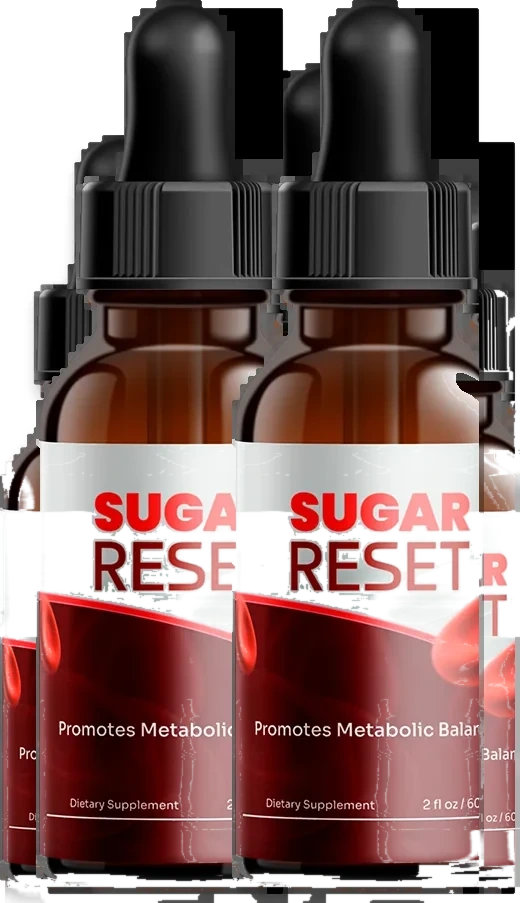
See what SugarReset offers as a support option
A daily liquid with chromium and a 22-ingredient botanical blend, no berberine — a supplement to sit alongside a broader plan, never a replacement for prescribed medication. Readers asking where to buy SugarReset will find current pricing and guarantee terms on the official store page.
Visit the Official Store