Is Berberine ‘Nature’s Ozempic’? A Fact Check
Quick Answer: Is Berberine Really Nature’s Ozempic?
No. The phrase “berberine nature’s Ozempic” is a marketing nickname, not a medical fact. Berberine activates the cellular enzyme AMPK, while Ozempic is a prescription GLP-1 receptor agonist that mimics a gut hormone. Berberine has real but modest glucose evidence and no comparable weight-loss data, so the two are not interchangeable.
- Different biology: berberine works on AMPK; semaglutide works on GLP-1 receptors.
- Different strength: berberine’s effects are modest; GLP-1 drug effects are large and trial-proven.
- Not a drug: berberine is a supplement ingredient, not a weight-loss medicine.
If you have spent any time on health social media in the last two years, you have met the claim: berberine is “nature’s Ozempic.” The phrase is everywhere, stamped across short videos and supplement ads, and it has done something remarkable for a yellow plant alkaloid that most people had never heard of. It has made berberine a mainstream search term. It has also created a lot of confusion, because the claim quietly promises that a bottle from the supplement aisle can stand in for a prescription medicine. This fact check takes the “berberine nature’s Ozempic” idea apart calmly, sorts the biology from the branding, and tells you what berberine has — and has not — actually been shown to do.
Our position is simple and we will hold to it throughout: berberine is a genuinely interesting compound with modest, real evidence for supporting healthy glucose metabolism, and it is not a substitute for a GLP-1 medication. Both things are true at once, and the honest version of this story lives in the space between the hype and the dismissal.
Where the ‘nature’s Ozempic’ label actually came from
Start with the origin, because it explains everything that follows. The comparison did not come from a laboratory or a clinical trial. It came from timing. Ozempic and its cousins became household names remarkably fast, driven by dramatic weight-loss stories, and public appetite for anything that echoed those results outran the supply of the drugs themselves. Into that gap stepped a familiar marketing instinct: find something natural, cheap and available, and describe it using the famous thing everyone already wants.
Berberine was a convenient candidate. It had a small pile of glucose studies behind it, a plausible mechanism, and a long history in traditional medicine, which lends the kind of storytelling texture that sells. So the label was applied from the outside in. Nobody ran a head-to-head trial and concluded “this plant compound performs like semaglutide.” Instead, a catchy equivalence was asserted and then repeated until it felt established. That is how marketing language works, and it is worth naming plainly before we look at the science, because the phrase carries an implied promise the evidence never made.
How berberine works: AMPK, not GLP-1
Here is the part the nickname erases. Berberine and GLP-1 drugs act through fundamentally different mechanisms, and the difference is not a technicality — it is the whole story.
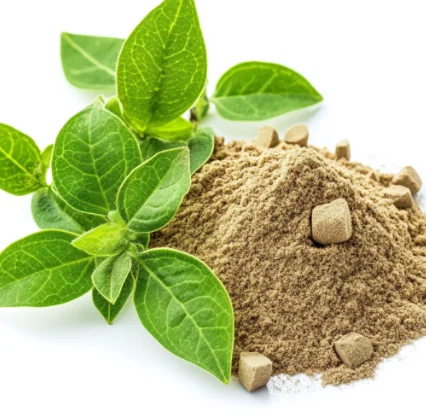
Berberine’s best-described action is the activation of an enzyme called AMP-activated protein kinase, usually shortened to AMPK. Think of AMPK as a cellular fuel gauge. When it senses that a cell’s energy is running low, it flips the metabolism toward generating and using energy: encouraging cells to take up glucose from the blood, and nudging the body toward burning fuel rather than storing it. Because AMPK sits at a crossroads of energy handling, activating it can, in principle, influence how the body processes glucose. This is the mechanistic seed from which berberine’s glucose reputation grew, and it is a legitimate one.
That mechanism has nothing to do with how Ozempic works. It is a different lever, pulled in a different part of the system, with a different downstream effect. If you take only one idea from this article, take that one.
What Ozempic and other GLP-1 drugs actually do
Ozempic is a brand name for semaglutide, which belongs to a class called GLP-1 receptor agonists. GLP-1 is a hormone your gut naturally releases after you eat. It tells the pancreas to release insulin when blood sugar rises, it slows the rate at which the stomach empties, and it acts on appetite centres in the brain to reduce hunger. A GLP-1 receptor agonist is a molecule engineered to imitate that hormone and keep its signal switched on far longer than the natural version lasts.
The appetite effect is the engine behind the headlines. By dialling down hunger and slowing digestion, GLP-1 drugs lead many people to eat substantially less without the constant fight of willpower, which is why the weight-loss numbers in their trials are so large. These are prescription medicines, studied in tens of thousands of participants, with defined dosing, known side effects and medical supervision built in. Whatever you think of them, they occupy a completely different category from a capsule of plant extract.
Berberine and semaglutide can both end up affecting blood sugar, but they arrive there by different roads, at different speeds, carrying very different amounts of evidence. A shared destination is not the same as a shared identity.
So is berberine ‘nature’s Ozempic’? A direct comparison
Lay the two side by side and the nickname collapses on its own. The table below is deliberately blunt.
| Feature | Berberine | Ozempic (semaglutide) |
|---|---|---|
| What it is | Plant compound / supplement ingredient | Prescription GLP-1 receptor agonist |
| Main mechanism | Activates AMPK inside cells | Mimics the GLP-1 gut hormone |
| Effect on appetite | No strong appetite mechanism | Directly reduces hunger |
| Glucose evidence | Real but modest, smaller studies | Large randomised trials |
| Weight-loss evidence | Small, inconsistent, slow | Large and well documented |
| Oversight | Sold as a supplement | Prescribed and monitored |
Read down that table and the sensible conclusion writes itself: these are not two versions of the same thing. They are two different interventions that happen to overlap on one outcome. Anyone selling berberine as a drop-in replacement for a GLP-1 medication is selling you the comparison, not the compound. If your interest is glucose support specifically, it helps to separate that goal from the weight-loss framing entirely, which we do in our guide to supplements to lower blood sugar that actually work.
Looking for SugarReset itself?
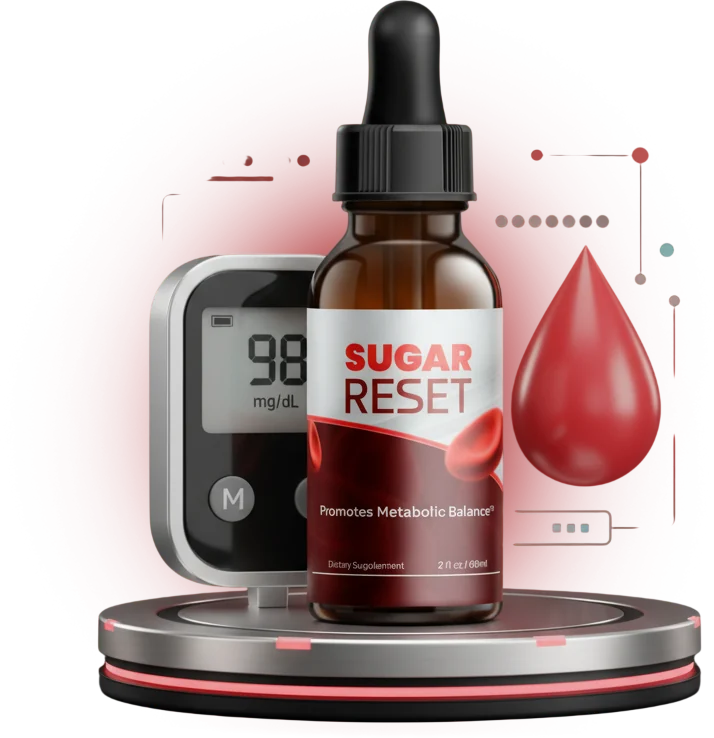
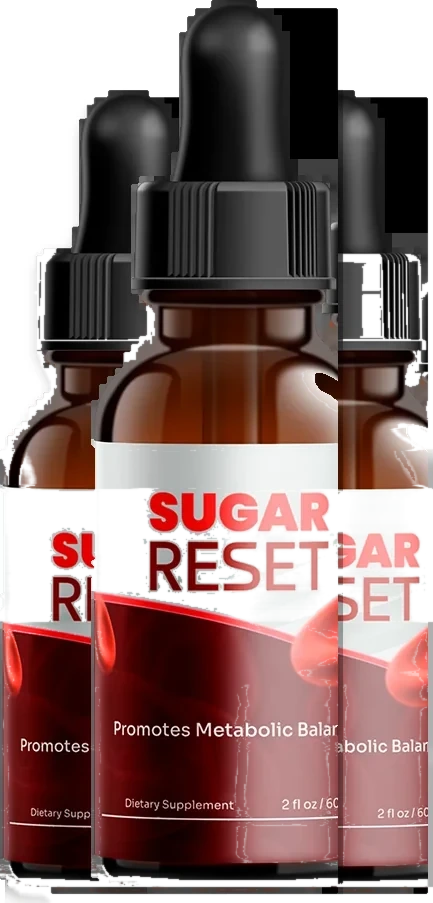
SugarReset is neither a berberine supplement nor a drug: it is a daily liquid with chromium and a 200 mg blend of 22 botanicals and amino acids. The official store page lists the full panel, current pricing and the guarantee terms.
See What SugarReset ContainsWhat berberine’s glucose evidence really shows
Strip away the nickname and berberine still has a story worth telling — just a more modest one. A number of small-to-medium trials, many conducted in adults with elevated blood sugar, have reported reductions in fasting glucose and in HbA1c, the marker that reflects average glucose over roughly three months. Some analyses have found the effect size in these studies to be meaningful on paper, occasionally in the range people associate with older glucose medications.
The honest asterisks matter, though. Many of these trials were small, several were conducted in one region with variable quality, and berberine notoriously suffers from poor and inconsistent absorption, which makes results harder to standardise from one product to the next. So the fair summary is this: berberine has real, repeatable signals for supporting healthy glucose metabolism, sitting on a body of evidence that is promising but thinner and lower in quality than the evidence behind prescription options. That is a genuinely useful thing to be. It is simply not “nature’s Ozempic,” and it does not need to be. We walk through how it stacks up against a standard medication in our look at berberine versus metformin and what the research shows.
The weight-loss question, answered plainly
This is where the nickname does the most damage, because it borrows Ozempic’s most famous property and lends it to berberine. So let us be direct. Berberine is not a weight-loss drug, and it does not produce anything like GLP-1-level weight loss.
Where berberine has shown weight changes at all, they have been small, inconsistent between studies, and gradual — the kind of shift that shows up slowly over eight to twelve weeks, usually alongside diet and activity, and most plausibly as a knock-on effect of improved insulin sensitivity rather than because berberine switches off hunger. There is no strong appetite-suppression mechanism in the way GLP-1 drugs have one. If you want the fuller picture of that link, we cover it in detail in our piece on the connection between berberine, weight loss and blood sugar control. The short version: expecting berberine to melt away pounds the way a GLP-1 medication can is setting yourself up for disappointment, and that expectation is manufactured almost entirely by the “nature’s Ozempic” framing.
Who berberine might suit, and who should be careful
Because berberine is genuinely active, it deserves genuine respect rather than casual use. It is most reasonably considered by adults who want to support healthy glucose metabolism as part of a wider approach that already includes diet, movement and sleep — not as a shortcut that lets those things slide.
Caution matters most for a few groups. Berberine can interact with medications, including some that lower blood sugar, where combining them without guidance risks pushing glucose too low. It can affect how the body processes certain drugs through the liver, which widens the list of possible interactions. It commonly causes digestive upset such as cramping, diarrhoea or constipation, especially early on. And it should be avoided in pregnancy and while nursing. None of that makes berberine dangerous in the abstract; it makes it a compound to use deliberately and, ideally, after a conversation with a clinician who knows your medications.
Important: berberine is not a replacement for prescribed medication, and nothing here is a recommendation to stop, start or change any treatment. If you take glucose-lowering drugs, blood thinners or other prescriptions, talk to a healthcare professional before adding berberine. This article is general information, not medical advice, and berberine should not be used during pregnancy or breastfeeding.
How to read the ‘nature’s Ozempic’ marketing
You will keep seeing the phrase, so here is a simple filter for the next time it appears in your feed. First, ask whether the claim compares mechanisms or just outcomes; if it leans on “it also affects blood sugar” while quietly implying “so it works like the drug,” that is the sleight of hand. Second, check whether the weight-loss promise is doing the selling, because that is the borrowed property berberine cannot back up. Third, look at whether the seller distinguishes a supplement from a medicine at all, or blurs the two on purpose.
A product that respects you will describe berberine as what it is: a studied ingredient with modest glucose evidence, positioned for support rather than sold as a cure. That is exactly the framing we apply across this site, including in our plain-English SugarReset breakdown, where we set out what each ingredient is studied for and where the evidence stops. The nickname makes a small, honest claim sound like a large, medical one. Once you can see the swap, the phrase loses its grip.
Frequently asked questions
Is berberine really like Ozempic?
Not in the way the nickname suggests. Berberine and Ozempic both touch glucose metabolism, but they are not the same class of thing and do not produce the same results. Ozempic is a prescription GLP-1 receptor agonist studied in large trials for blood sugar and weight; berberine is a plant compound with modest glucose evidence and no comparable weight-loss data. Calling berberine nature's Ozempic overstates what the plant compound has actually been shown to do.
How does berberine work compared with GLP-1 drugs?
They act through different mechanisms. Berberine is thought to activate an energy-sensing enzyme called AMPK inside cells, which nudges the body toward taking up and using glucose. GLP-1 drugs such as semaglutide instead mimic a gut hormone that boosts insulin release after eating, slows stomach emptying and reduces appetite through the brain. Same broad territory, very different biology, and a very different strength of effect.
Does berberine cause the same weight loss as Ozempic?
No. The weight changes reported in berberine studies are small and inconsistent, and they tend to appear slowly over weeks alongside diet and activity. GLP-1 medications have produced far larger, well-documented weight loss in randomised trials because they directly reduce appetite. Berberine is not a weight-loss drug and should not be expected to match a prescription medicine.
Where did the 'nature's Ozempic' claim come from?
It grew out of social media rather than science. As GLP-1 drugs became famous, marketers and influencers reached for a familiar comparison to sell berberine, and the phrase nature's Ozempic spread because it was catchy, not because a trial compared the two head to head. It is a marketing label, and treating it as a medical equivalence is where people go wrong.
Scientific references
- NIH National Center for Complementary and Integrative Health — Berberine
- Panigrahi A, et al. — Berberine and glycemic control in prediabetes: a double-blind, placebo-controlled, randomised pilot trial (BMC Endocrine Disorders, 2023)
- StatPearls / NCBI — Semaglutide and GLP-1 receptor agonists
- US FDA — how dietary supplements differ from drugs
- Mayo Clinic — GLP-1 receptor agonists explained
Related reading
Berberine, described plainly: not a drug
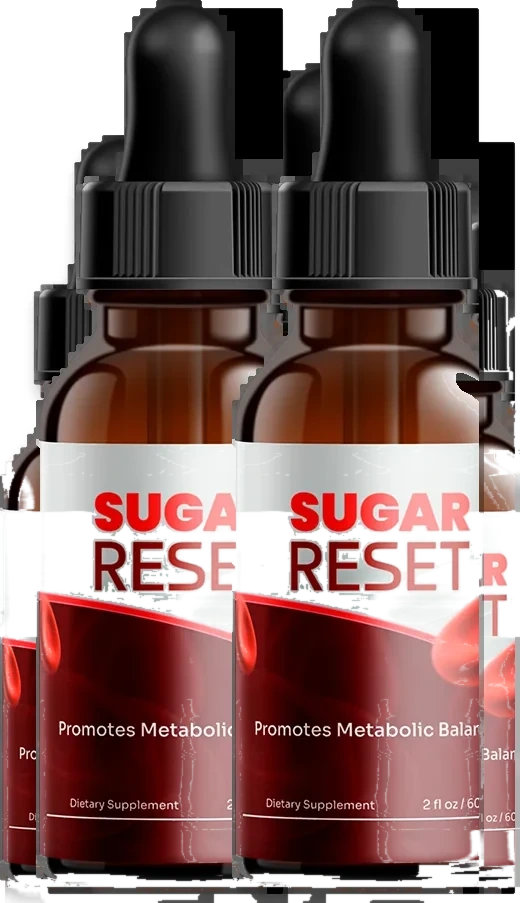
If you want berberine itself, SugarReset is not that product: its panel lists chromium and a 22-ingredient botanical blend, and no berberine. Readers asking where to buy SugarReset will find current pricing and guarantee terms on the official store, and our roundup of blood sugar supplements that hold up to scrutiny puts it in context.
Visit the Official Store