Berberine for Weight Loss and the Blood Sugar Link, Explained
Quick Answer: Does Berberine for Weight Loss Really Work?
Only modestly. When berberine for weight loss shows any effect, it is small and appears slowly over eight to twelve weeks, most likely because it improves insulin sensitivity through AMPK activation rather than by suppressing appetite. It is not a weight-loss drug, and it works only alongside diet and activity, not instead of them.
- Mechanism: AMPK activation and better insulin sensitivity, not hunger control.
- Timeline: gradual changes over roughly 8–12 weeks, not days.
- Reality: a glucose-support ingredient, not a substitute for a weight-loss medicine.

Searches for berberine for weight loss have climbed fast, and it is easy to see why: the compound picked up a reputation as a natural shortcut to a slimmer waist. The honest story is more interesting than the shortcut. Berberine is far better understood as a glucose-support ingredient whose modest effect on weight is a side-effect of what it does to your metabolism — not the main event. If you came here hoping berberine melts fat, this piece will gently redirect you toward something more useful and more true: the tight link between blood sugar control and body weight, and where a compound like berberine realistically fits.
We will not oversell it. Berberine is not a weight-loss drug, its weight effects are small and slow, and the biggest levers remain the ones nobody can bottle. But understood correctly, berberine has a sensible place, and the glucose-first framing is the one that actually helps.
Why weight and blood sugar are the same conversation
Start with the mechanism that ties everything together: insulin. After you eat, blood sugar rises and the pancreas releases insulin, which acts like a key, letting glucose move out of the blood and into cells to be used or stored. When cells respond well to that key, the system runs smoothly. When they respond poorly — a state called insulin resistance — the pancreas pumps out more insulin to get the same job done, and higher circulating insulin tilts the body toward storing fat rather than releasing it.
That is the loop that makes weight and blood sugar a single conversation. Insulin resistance makes both harder: glucose is managed less efficiently, and fat is stored more readily. The two problems feed each other. It also means the reverse is quietly hopeful. Improving how your cells respond to insulin can make weight and glucose both easier to manage at the same time, because you are addressing the machinery they share rather than chasing each one separately. This is precisely why a glucose-first approach and a weight goal so often point in the same direction.
What berberine for weight loss actually does
Now place berberine inside that loop. Its best-described action is activating an enzyme called AMPK, the cell’s energy sensor. When AMPK is switched on, cells behave as though they need to generate and use energy: they take up glucose more readily and lean toward burning fuel rather than storing it. Berberine has also, across a number of small and medium trials, been associated with improved markers of insulin sensitivity.
Follow the logic and the weight connection becomes clear — and appropriately modest. If berberine nudges insulin sensitivity in the right direction, circulating insulin may run a little lower, and the body’s bias toward fat storage may ease slightly. That is a plausible route to a small reduction in weight or waist measurement over time. Notice what it is not: it is not berberine incinerating fat, and it is not berberine making you eat less. The weight effect, where it happens, is downstream of the glucose effect. That distinction is the whole point, and it is why we treat the viral “nature’s Ozempic” comparison as marketing rather than mechanism.
It is not an appetite suppressant
This is the myth worth killing directly, because it drives most of the disappointment. GLP-1 medications produce large weight loss largely by reducing appetite — they act on the brain and gut to make you genuinely less hungry. Berberine has no strong, well-documented appetite-suppression mechanism of that kind. It is not working by turning off hunger.
Why does that matter so much in practice? Because it sets the right expectation. If you take berberine assuming it will curb your appetite the way a GLP-1 drug does, you will feel it has failed within a week. If you understand that berberine is quietly supporting glucose handling in the background, you will judge it on the correct timescale and the correct outcome. Expecting appetite suppression from berberine is like expecting a good night’s sleep to make you full — helpful for your metabolism, yes, but through a completely different door.
How long, and how much to expect
Patience is not optional with berberine; it is the whole strategy. In studies where berberine was linked to changes in weight or waist size, those changes emerged gradually — typically across roughly eight to twelve weeks of consistent daily use, not in the first few days. There is no overnight version of this. If a product promises rapid weight loss from berberine, that promise is the product lying to you.
The magnitude, too, deserves honesty. The reductions reported are modest and inconsistent from study to study, and they show up most clearly when participants are also changing their diet and moving more. In other words, berberine appears to help a good routine along at the margins; it does not manufacture results out of nothing. If you want the fuller timeline for the glucose side specifically, we lay it out in our guide to how long berberine takes to lower blood sugar. The table below sets realistic expectations at a glance.
| Timeframe | What to realistically expect |
|---|---|
| Days 1–7 | Possible digestive adjustment; no meaningful weight change |
| Weeks 2–4 | Glucose-support effects may begin; weight usually unchanged |
| Weeks 8–12 | Where modest weight or waist changes tend to appear, if at all |
| Beyond 12 weeks | Sustained only alongside diet, activity and consistency |
Prefer a glucose-first approach to weight?
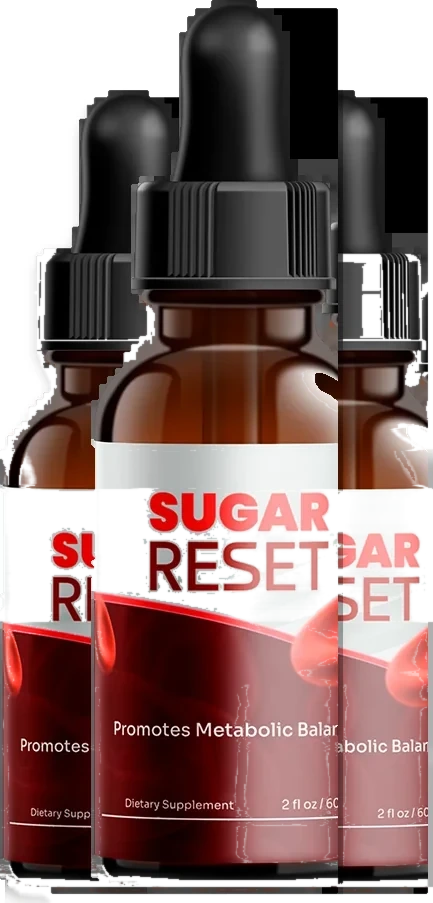
SugarReset is not a berberine product: its label lists chromium picolinate and a 200 mg blend of 22 botanicals and amino acids, sold to promote metabolic balance rather than as a weight-loss aid. The official store page has the full panel, current pricing and the guarantee.
See the Glucose-First FormulaThe glucose-first way to think about weight
Here is the reframe that actually helps a weight-loss searcher. Instead of asking “what will strip fat fastest,” ask “what makes my metabolism handle food better,” because the second question addresses the loop that created the problem. When insulin sensitivity improves, weight tends to become less of an uphill fight rather than the target you attack directly. Berberine belongs in the second question, not the first.
Practically, that means treating berberine as one supporting element inside a glucose-first routine, not as a shortcut. SugarReset, the formula this site covers, takes a different route altogether: chromium plus a 22-ingredient botanical blend, with no berberine on its label. The most durable “weight” results come from fixing the metabolic environment first — and the free levers in that environment, especially sleep, matter more than most supplements, which is why we give them their own deep dive in our piece on sleep, insulin sensitivity and blood sugar support.
Chase the glucose, and weight often follows a little. Chase the weight while ignoring the glucose, and you are fighting the current. Berberine is a small paddle, not the tide.
Objections and myths, answered plainly
“Berberine is a natural fat burner.” It is not. There is no evidence berberine directly burns fat; any weight effect is an indirect consequence of improved glucose handling, and it is modest. Framing it as a fat burner sets an expectation the compound cannot meet.
“If it works on blood sugar, I can skip the diet.” No. Berberine’s effects are small next to the impact of what you eat and how much you move, and it shows results mainly when those foundations are in place. It supports the routine; it cannot replace it. Our evidence-graded roundup of supplements to lower blood sugar that actually work makes the same point across the whole category.
“I’ll see results in a week.” You will not. The realistic window for any weight-related change is eight to twelve weeks of consistent use, and even then it is subtle. Speed is the surest sign a claim is overblown.
Who should be cautious
Because berberine is genuinely active, it warrants care. It can interact with a range of medications, including drugs that lower blood sugar, where combining them without guidance risks pushing glucose too low. It can alter how the liver processes certain other medicines, widening the interaction list. It frequently causes digestive side effects — cramping, diarrhoea or constipation — especially in the first weeks. And it should be avoided during pregnancy and breastfeeding. None of that is a reason for blanket fear; it is a reason to use berberine deliberately and, ideally, after checking with a clinician who knows your full medication list.
Important: berberine is not a weight-loss drug and nothing here is a promise of weight loss or a treatment claim. If you take glucose-lowering medication or other prescriptions, speak to a healthcare professional before adding berberine, as it can interact with several drugs and lower blood sugar. This article is general information, not medical advice, and berberine should not be used during pregnancy or breastfeeding.
Frequently asked questions
Does berberine actually cause weight loss?
Sometimes, but modestly. Studies that report weight change with berberine tend to show small reductions that build gradually over eight to twelve weeks, usually in people also improving their diet and activity. It is not a dramatic or reliable weight-loss effect, and berberine is not a weight-loss drug. The most honest expectation is a minor, slow shift rather than a transformation.
How is blood sugar control related to weight?
They are closely linked through insulin. When cells respond poorly to insulin, the body tends to store fat more readily and blood sugar management becomes harder, and the two problems reinforce each other. Improving insulin sensitivity, whether through diet, activity or a supporting ingredient, can make both easier to manage. This is why a glucose-first approach and a weight goal often point in the same direction.
How long before berberine affects weight?
Give it weeks, not days. In studies where berberine influenced weight or waist measurements, the changes typically emerged over roughly eight to twelve weeks of consistent daily use, not overnight. Any product promising rapid weight loss from berberine is overselling it. Berberine works slowly and subtly, and only meaningfully when paired with the dietary and activity changes that do the heavy lifting.
Is berberine an appetite suppressant?
Not in the way GLP-1 drugs are. Berberine has no strong, well-documented appetite-suppression mechanism; its metabolic effects are thought to run mainly through AMPK activation and improved insulin sensitivity rather than by switching off hunger. Any modest weight effect is more likely a downstream result of better glucose handling than of eating less because you feel full.
Scientific references
- NIH National Center for Complementary and Integrative Health — Berberine
- Elahi Vahed I, et al. — The effect of berberine on obesity indices: a systematic review and meta-analysis (International Journal of Obesity, 2026)
- NIDDK — insulin resistance and prediabetes explained
- Harvard T.H. Chan School of Public Health — carbohydrates and blood sugar
- CDC — lifestyle foundations for glucose and weight
Related reading
Support the glucose machinery, realistically
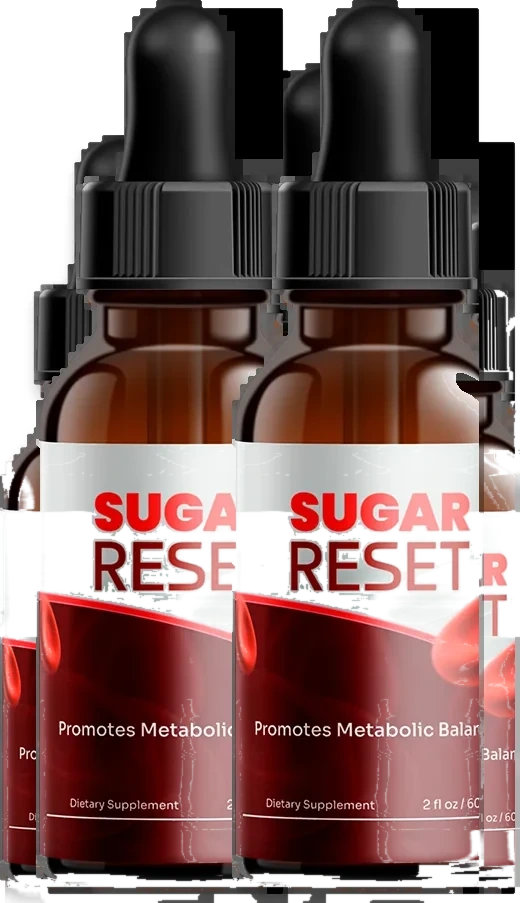
SugarReset contains no berberine; it pairs 0.7 mcg of chromium with a 200 mg blend led by gymnema, African mango, green tea, maca and Panax ginseng, and it makes no weight-loss promise. Readers asking where to buy SugarReset will find current pricing and guarantee terms on the official store.
Visit the Official Store