Blood Sugar Food Supplement or Vinegar: Timing Before Meals and the Glucose Response
Quick Answer: Does Vinegar Beat a Blood Sugar Food Supplement?
Vinegar taken immediately before a carbohydrate meal has repeatedly been reported to lower the rise in glucose afterwards, with roughly one to two tablespoons diluted in water being the amount used in most trials. The effect is real but modest, the studies are small and short, and the timing matters far more than the brand: the acid has to be present when the starch arrives. A blood sugar food supplement is a different proposition, working on glucose metabolism over weeks rather than on the meal in front of you.
- Amount used in trials: about 15–30 ml of vinegar, always diluted in a glass of water.
- Timing: just before, or with, the carbohydrate portion — not afterwards.
- Real cautions: tooth enamel, reflux and throat irritation. Never drink it neat.
What acetic acid is actually thought to do
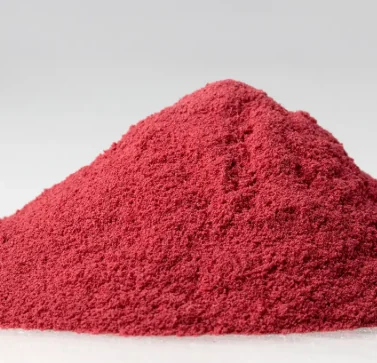
Vinegar is dilute acetic acid, typically around 5 percent in the bottles sold for food use. Whatever the label on the front says — apple cider, white wine, rice — the acetic acid is the part the research is interested in, and there is no good evidence that any particular source is special. The apple cider version dominates the market for reasons of marketing rather than chemistry.
Two mechanisms come up repeatedly in the literature. The first is delayed gastric emptying: acid in the stomach appears to slow the rate at which its contents move into the small intestine, which spreads the arrival of glucose over a longer period. The second is enzyme interference, with acetic acid appearing to blunt the activity of the disaccharidase enzymes that break starch and sugars into absorbable units. Some researchers also suggest an effect on glucose uptake by muscle, though this is the least well characterised of the three.
All three explanations share one implication, and it is the practical heart of this article: the acid needs to be in the stomach when the carbohydrate is. That single fact settles most of the timing questions people ask.
Timing: before the meal, or with it?
The protocols in the published trials are consistent. Participants drink the diluted vinegar immediately before the test meal, or within a window running from about thirty minutes beforehand to the first few mouthfuls. Nobody has found a reason to take it an hour ahead, and nobody has demonstrated that taking it after the plate is cleared does the same job.
So the working rule is simple. If you are going to do this at all, do it with the meal that carries the most carbohydrate, and take it right at the start. Doing it with a meal that is mostly protein and vegetables is not harmful, it is just aiming at a target that was not there. And an important sanity check: the mechanism is meal-specific, so this is not something that accumulates. Yesterday's vinegar does nothing for today's lunch.
Dilution is not optional. Every sensible protocol dilutes the vinegar in a glass of water, both because neat vinegar is unpleasant and because of the enamel and throat issues covered further down. Drinking it through a straw and rinsing your mouth with plain water afterwards are small habits that cost nothing.
Liquid, gummy or capsule: what changes
The format question is where most of the money in this category is made, and where most of the confusion lives. The table below compares the three on the terms that actually matter.
| Format | Typical acetic acid delivered | Timing practicality | Main drawback | Match to the trials |
|---|---|---|---|---|
| Liquid vinegar, diluted | Roughly 750–1500 mg per 1–2 tablespoons at 5% strength | Easy to take right before eating | Taste; enamel exposure if undiluted | Closest — this is what was tested |
| Gummies | Usually far less per piece; varies widely by brand | Very easy, portable | Added sugars; inconsistent labelling | Weak |
| Capsules / tablets | Label-dependent, often modest | Easy, no taste | Case reports of throat injury if lodged | Weak — little direct trial data |
| Vinegar in food (dressings, pickles) | Small but genuine, spread across the meal | Automatic — it is part of the meal | Hard to quantify | Partial, and the most sustainable |
| Botanical formula | No acetic acid at all | Once daily, not meal-linked | Different mechanism entirely | Not comparable — different question |
The honest summary of that table is that the salad dressing row is underrated and the gummy row is oversold. If you are searching for the best blood sugar supplement in gummy form, be aware that you are usually buying convenience and flavour rather than the dose that the studies used. For the ingredient-by-ingredient version of that judgement, our evidence grades for supplements to lower blood sugar set out where each one earns its place and where it does not.
The vinegar research is a good example of a real but small effect wearing a very large hat. The finding is genuine; the marketing built on top of it is not proportionate to it.
How good is the evidence, really?
This is where a fair article has to slow down. The vinegar trials are almost all small — often ten to thirty participants — short, and conducted in tightly controlled single-meal settings. Many are crossover designs, which helps, but blinding is genuinely difficult: participants know when they have drunk vinegar. Effects on the immediate post-meal glucose curve are the most consistently reported finding.
Longer studies looking at fasting glucose or HbA1c over weeks are fewer, more mixed, and harder to interpret. Meta-analyses in this area tend to conclude that there is a signal worth further study while noting high heterogeneity and a real risk of small-study bias — the pattern where small positive results get published and small null results quietly do not. That is not a reason to dismiss vinegar. It is a reason to hold the finding loosely.
It is also worth stating what the studies do not show. They do not show that vinegar is a treatment for any disease. They do not show that it offsets a high-carbohydrate diet. And they do not show a dose-response relationship that rewards drinking more, which is the assumption that gets people into trouble.
Prefer a formula to a vinegar habit?
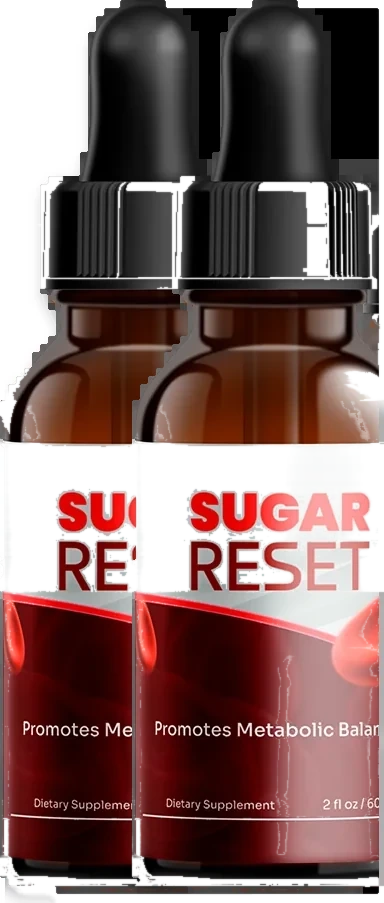
If sipping diluted acid before every meal is not going to survive contact with your actual life, a daily formula is the alternative people usually compare it against. Anyone weighing the apple cider vinegar gummies price against a daily liquid will find the current SugarReset options and guarantee terms on the official store page.
Check the Official StoreThe cautions that deserve more than a footnote
Vinegar is food, which makes it easy to assume it is harmless in any quantity. It is not, and the specific risks are well documented.
Tooth enamel. Acid dissolves enamel, and enamel does not grow back. Regular exposure to undiluted vinegar, or the habit of sipping an acidic drink slowly across an hour, is genuinely erosive. Dilute it, drink it in one go rather than sipping, use a straw if you can, rinse with plain water afterwards, and do not brush immediately — softened enamel brushes away.
Reflux and the oesophagus. If you are prone to heartburn, adding acid before meals can make it worse. There are published case reports of oesophageal injury from vinegar taken neat, and of tablets lodging in the throat and causing burns. This is the specific reason capsule formats deserve caution rather than the convenience halo they usually get.
Delayed stomach emptying. The mechanism that makes vinegar interesting is the same one that makes it unsuitable for anyone with gastroparesis, where the stomach already empties too slowly. If you have been given that diagnosis, this is not the intervention for you.
Medication interactions. Anyone taking insulin or other glucose-lowering medication should not add anything that may lower glucose further without medical advice. Vinegar has also been discussed in relation to potassium levels alongside diuretics. These are conversations to have with a pharmacist or doctor, not with a comment thread.

Where a blood sugar food supplement sits alongside this
A blood sugar food supplement, whether it comes as a capsule or a liquid, is not competing with vinegar so much as playing a different game. Vinegar is a meal-level tool: it acts within the hour, only when it is present, and only on that meal. A formula built on berberine, cinnamon, Gymnema Sylvestre, banaba leaf or chromium is a background tool: taken daily, studied over weeks, with fasting glucose and HbA1c as the endpoints rather than a single post-meal curve. We laid out that ingredient evidence in our breakdown of berberine and cinnamon for blood sugar, and the meal-timing logic is covered further in our piece on fibre timing around meals.
People frequently do both, and there is nothing incoherent about that as long as the expectations are separate. What does not follow is treating a vinegar habit as proof that a formula is unnecessary, or the other way round. They are answers to different questions, and neither answers the question of what a clinician would find in a blood test.
If you want to see how one such formula is put together, our SugarReset breakdown goes through the ingredient list and what each component is actually studied for.
What vinegar cannot do
Three limits, stated without softening. First, no amount of vinegar is a treatment for diabetes or any other condition, and nothing here should be read as a claim that it changes the course of a disease. The post-meal glucose curve is one measurement, and moving it in a laboratory does not equal a clinical outcome.
Second, the effect does not scale with enthusiasm. Doubling the dose has not been shown to double the benefit, and it clearly increases the risk to your teeth and throat. This is a category where more is worse, not better.
Third, vinegar does not compensate for the composition of the meal. A vinegar drink before a very large refined-carbohydrate meal is still a very large refined-carbohydrate meal. The interventions with real leverage — what is on the plate, movement after eating, sleep, body composition — are not replaced by anything you can pour into a glass, and not by a blood sugar food supplement either.
Medical note: this article is general information, not medical advice. Always dilute vinegar, and speak to a healthcare professional before adding it or any supplement to your routine — particularly if you take glucose-lowering medication or diuretics, have reflux or a swallowing difficulty, or are pregnant or nursing.
Frequently asked questions
How much vinegar was used in the studies?
Most small trials use roughly one to two tablespoons of vinegar, about 15 to 30 millilitres, diluted in a glass of water and taken around a carbohydrate meal. That works out at somewhere near 750 to 1500 milligrams of acetic acid at standard 5 percent strength. Larger amounts have not been shown to work better and they raise the risk of throat irritation, so more is not the goal here.
Should vinegar be taken before or with a meal?
The trials that report an effect almost always give the vinegar immediately before the meal or with the first bites, usually within a window of a few minutes to about half an hour beforehand. The leading explanation is that acetic acid slows stomach emptying and interferes with the enzymes that break starch down, both of which need the vinegar to be present when the carbohydrate arrives. Drinking it well after the meal has not been shown to do the same thing.
Are apple cider vinegar gummies the same as liquid vinegar?
Not reliably. Gummies are a convenient format, but the amount of acetic acid per gummy is usually far below a tablespoon of liquid vinegar, and some products carry added sugars that work against the purpose. Labels list acetic acid inconsistently, and independent testing has repeatedly found the actual content varies between brands. If you want what the research tested, diluted liquid vinegar is the closest match.
Is drinking vinegar every day safe?
For most healthy adults, small diluted amounts are generally well tolerated, but there are real cautions. Undiluted vinegar can erode tooth enamel and irritate the throat and oesophagus, and there are case reports of injury from vinegar taken neat or in tablet form. It can worsen reflux in people prone to it, and it may not suit anyone with gastroparesis, since delayed stomach emptying is the mechanism in question. Always dilute it in water, drink it rather than sip it slowly, rinse your mouth afterwards, and check with your doctor if you take medication such as insulin or diuretics.
Scientific references
- Shishehbor F, et al. — Vinegar consumption can attenuate postprandial glucose and insulin responses: a systematic review and meta-analysis of clinical trials (Diabetes Research and Clinical Practice, 2017)
- Mayo Clinic — GERD: symptoms and causes
- Harvard T.H. Chan School of Public Health — The Nutrition Source on apples
- NIH NCCIH — Diabetes and dietary supplements: what you need to know
- NIH NIDDK — Diabetes diet, eating and physical activity

See what SugarReset puts on its label
SugarReset is a daily liquid of chromium and a 22-ingredient botanical blend, not a berberine product — a background support option rather than a meal-by-meal one. Readers asking where to buy SugarReset will find the current options and guarantee terms on the official store page.
Visit the Official Store